

In the process of designing and producing gift box packaging, it’s important to consider the uniqueness of the product structure, especially in relation to the specific context of the business and its target audience. Gift box packaging often comes from different regions, each with its own unique cultural and developmental influences. This means that product structure design can feature distinctive elements tailored to specific packaging needs. For example, products from certain ethnic or regional backgrounds should highlight their local characteristics. This not only reflects local customs but also evokes a sense of exoticism and cultural richness. In everyday life, personalized and unique gift packaging is often more appreciated by people.
For custom packaging boxes, this topic connects directly to structure, paperboard thickness, printing, foil stamping, embossing, spot UV, die-cutting, inserts, sample proofing and export packing. Clear specifications help Reding Packaging quote accurately and keep production quality stable.
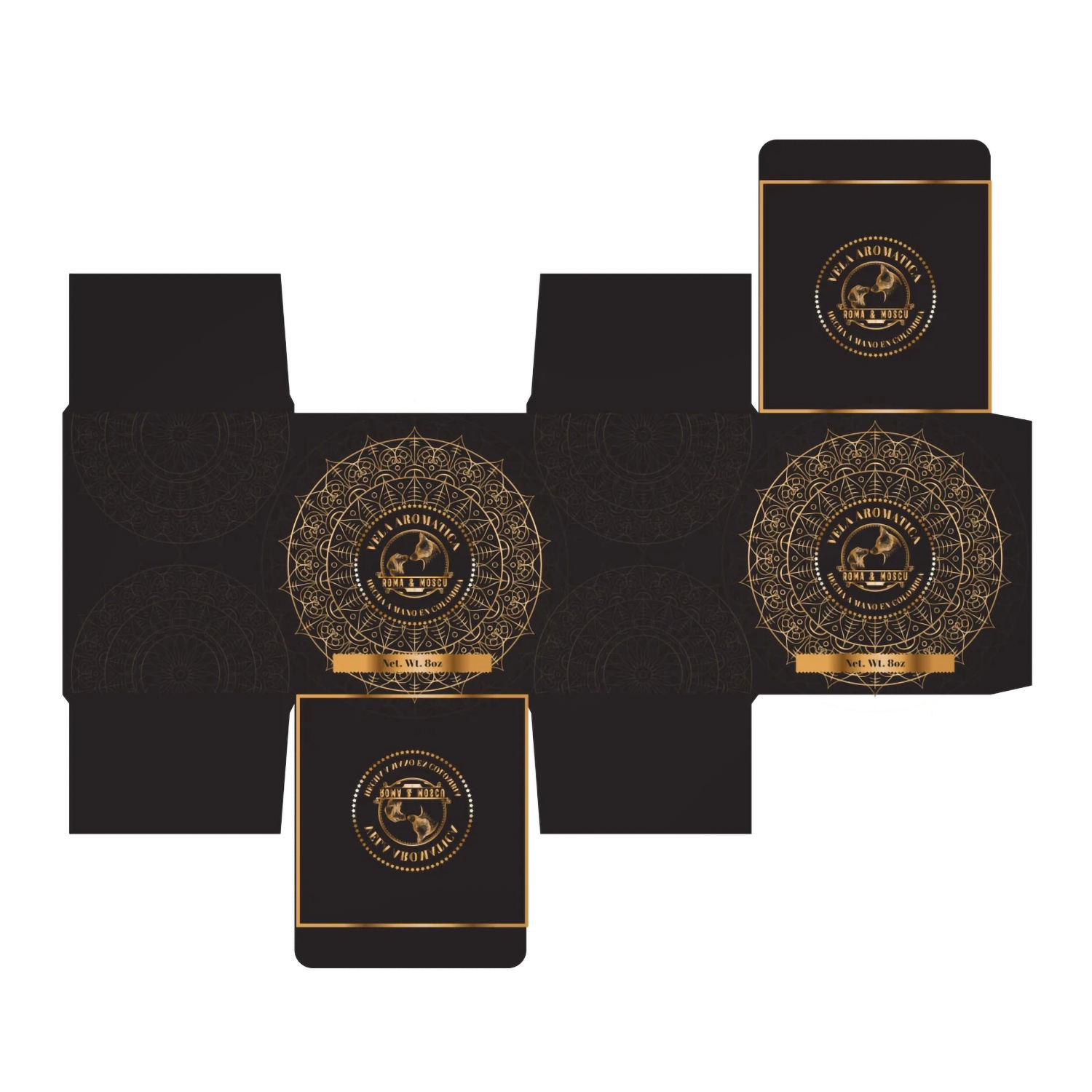
When designing packaging and creating gift boxes, it’s also essential to incorporate a sense of fun and playfulness. Gifts are, after all, meant to convey feelings and emotions between people, and a boring or dull gift box cannot effectively fulfill that purpose. Packaging that captures the spirit of the gift, with a touch of creativity and originality, is far more likely to engage and delight recipients.
One high-quality technique often used in premium gift box design is foil stamping (also known as foil stamping). This process involves applying pressure and heat to transfer metallic or colored foil onto the surface of the packaging, using a pre-designed mold. Since foil stamping usually uses gold or silver tones, it is commonly referred to as “gold stamping.” This method enhances the visual appeal and overall quality of the packaging, adding a luxurious touch to labels, logos, cigarette boxes, wine packaging, and high-end gift boxes.
There are two main approaches to foil stamping: stamping before printing and stamping after printing. Stamping before printing involves applying the foil to blank materials, which are then printed with additional designs. This method is commonly used when large areas of foil are needed. Stamping after printing, on the other hand, is the more widely used technique. Here, foil is applied to specific areas of an already-printed product, highlighting key designs or patterns.
Foil stamping can also be divided into two main types based on the method used: hot foil stamping and cold foil stamping. Hot foil stamping, the more traditional method, requires heat and pressure to transfer the foil to the packaging surface. Cold foil stamping, on the other hand, uses a UV adhesive that is applied to the areas where foil is needed, and the foil is then transferred using pressure without the need for heat. Each method has its own unique advantages, depending on the specific requirements of the product being packaged.
Related Packaging Resources
Explore related Reding Packaging product options for custom materials, printing, finishing, samples and export production.
For a project-specific recommendation, send size, material, artwork, finish and quantity details through the Reding Packaging quote form.
 EN
EN  ES
ES  RU
RU  PT
PT  AR
AR  DE
DE  FR
FR  IT
IT  JA
JA  KO
KO  NL
NL  PL
PL  UK
UK  RO
RO  SV
SV  SL
SL  BG
BG