

With the development of modern society, carton boxes have become widely used in various fields. In recent years, the growth of e-commerce has further increased the demand for carton packaging, driving the industry to a highly competitive stage. The primary function of carton boxes is to package and protect products during transportation. However, modern cartons have evolved in form and type to cater to a wide range of consumer needs, showcasing increased diversity in design.
For custom packaging boxes, this topic connects directly to structure, paperboard thickness, printing, foil stamping, embossing, spot UV, die-cutting, inserts, sample proofing and export packing. Clear specifications help Reding Packaging quote accurately and keep production quality stable.
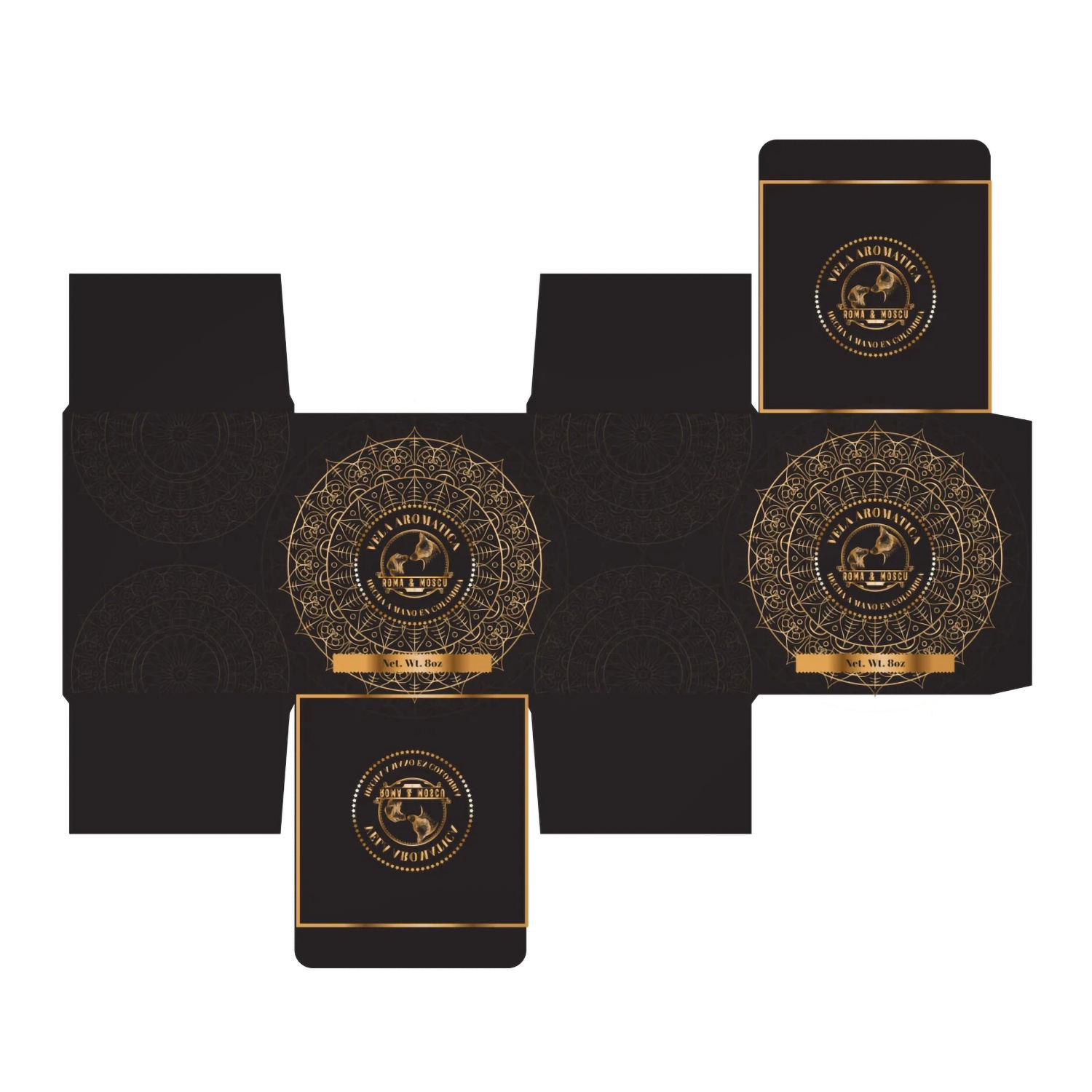
Carton boxes are highly versatile, and to meet the diverse requirements of consumers, they come in various forms, colors, and classifications. Below is a detailed breakdown of the different types of carton boxes:
Classification by Corrugated Fluting Type
Typically, cartons are classified based on the type of corrugated fluting used in the cardboard. The four main types of corrugated fluting are:
- A-Flute
- B-Flute
- C-Flute
- E-Flute
These different fluting types serve various purposes depending on the nature of the packaging:
- A-Flute, B-Flute, and C-Flute: These are commonly used for outer packaging that requires durability and strength for shipping and handling.
- B-Flute and E-Flute: These are typically used for medium-sized packaging that requires a balance between strength and flexibility.
- E-Flute: Primarily used for small packaging, offering a thinner profile that is still strong enough to protect the contents.
Different types of carton boxes require specific types of corrugated cardboard, and choosing the right one depends on the product’s packaging needs.
In conclusion, as carton packaging becomes more diverse, it is essential to select the appropriate type based on the product’s requirements to ensure proper protection and presentation during transportation.
Related Packaging Resources
Explore related Reding Packaging product options for custom materials, printing, finishing, samples and export production.
For a project-specific recommendation, send size, material, artwork, finish and quantity details through the Reding Packaging quote form.
 UK
UK  EN
EN  ES
ES  RU
RU  PT
PT  AR
AR  DE
DE  FR
FR  IT
IT  JA
JA  KO
KO  NL
NL  PL
PL  RO
RO  SV
SV  SL
SL  BG
BG