

In today’s printing industry, proofing technology is constantly evolving. There are mainly two types of proofing methods for packaging box printing: soft proofing and hard proofing. Each method has different costs and requirements.
For custom packaging boxes, this topic connects directly to structure, paperboard thickness, printing, foil stamping, embossing, spot UV, die-cutting, inserts, sample proofing and export packing. Clear specifications help Reding Packaging quote accurately and keep production quality stable.
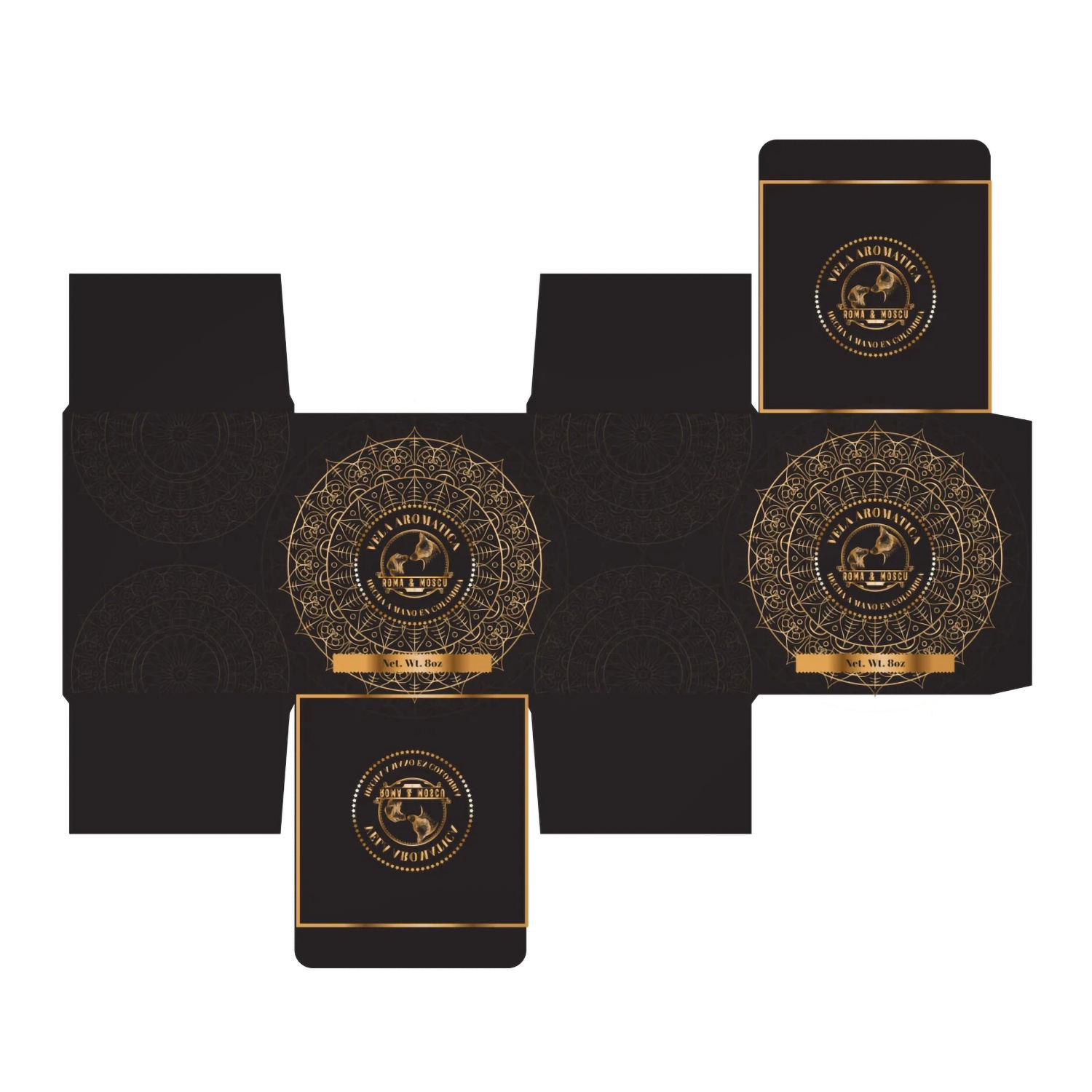
- Soft Proofing generally requires higher-end printing equipment compared to hard proofing. However, because hard proofing allows customers to see how the image will actually look printed on paper, and it tends to be more cost-effective, many customers prefer this method for packaging box printing.
Here are the main proofing methods:
1. Photographic Proofing Method
This includes electrostatic proofing, color layer overlay method, and color film overlay method. In this method, a single color (cyan, black, yellow, or magenta) is printed on a photosensitive material and then layered together to form a full-color image. Alternatively, each single color layer can be transferred to a proofing substrate to create a colored proof.
2. Mechanical Proofing (Simulation Proofing)
This is a type of hard proofing where the proofing process closely simulates the actual printing conditions. Using the same paper, ink, and printing method as the final product, the printing plate is mounted on a proofing press. The sample print is then compared with the original design for color accuracy, tone, text layout, and dimensions. Once everything is accurate, the customer can sign off on the proof for production.
3. Electronic Proofing Method
This method is commonly used in digital publishing systems. Proofs are created using inkjet printers or thermal sublimation printers to produce sample prints.
4. Computer-Aided Proofing
This includes both soft proofing and hard proofing:
- Soft proofing uses a computer to display a color image on the screen but does not produce a physical sample.
- Hard proofing outputs a physical sample using color page layout data, allowing clients to see and hold a printed sample before production.
These proofing methods give customers and printers flexibility in choosing the best approach based on the project requirements and budget.
Related Packaging Resources
Explore related Reding Packaging product options for custom materials, printing, finishing, samples and export production.
For a project-specific recommendation, send size, material, artwork, finish and quantity details through the Reding Packaging quote form.
 EN
EN  ES
ES  RU
RU  PT
PT  AR
AR  DE
DE  FR
FR  IT
IT  JA
JA  KO
KO  NL
NL  PL
PL  UK
UK  RO
RO  SV
SV  SL
SL  BG
BG