

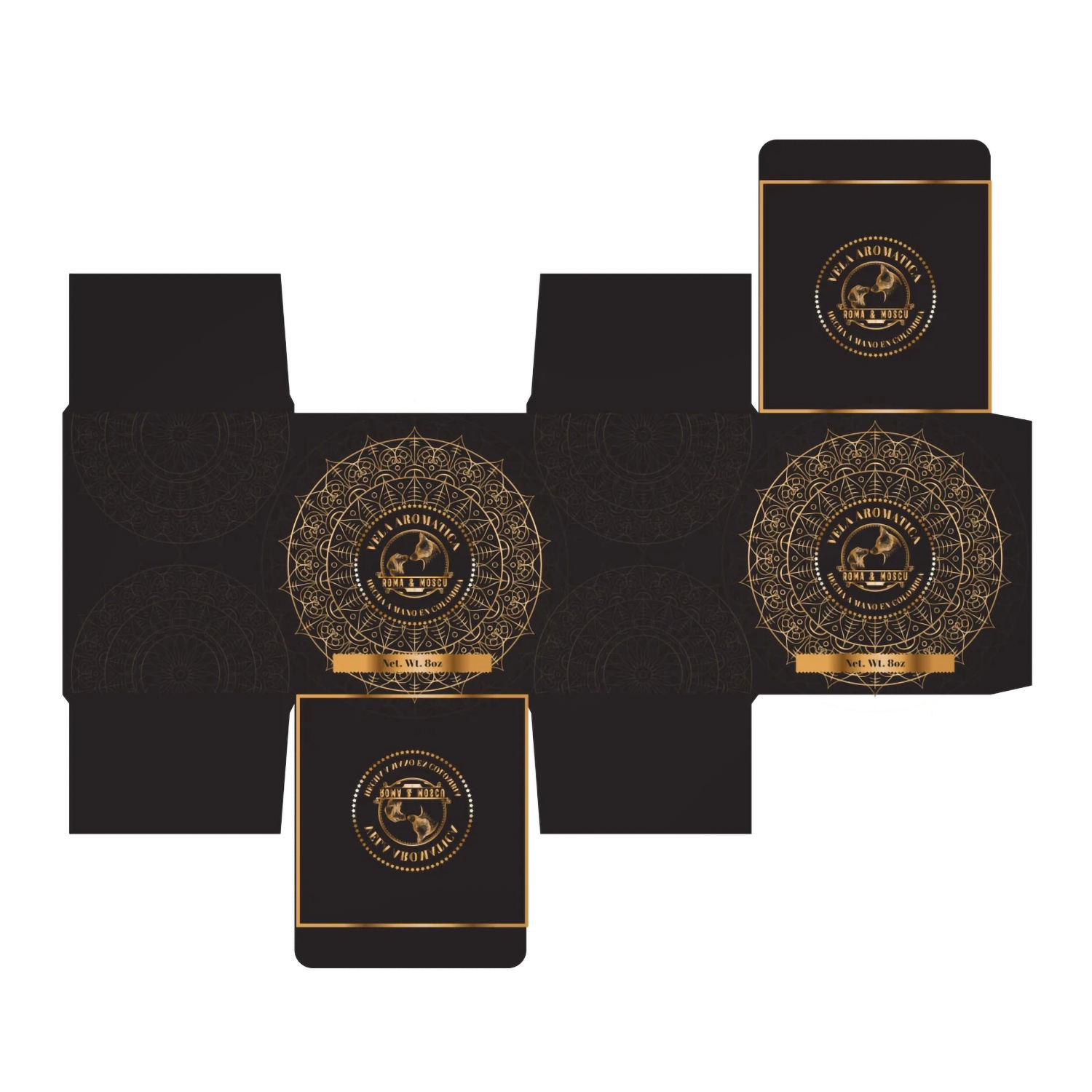
In recent years, color box packaging has gained popularity among product suppliers due to its aesthetic appeal and the way it effectively showcases the features and appearance of products. This type of packaging is both beautiful and detailed, offering a clear presentation of the product. Here’s a simple overview of the common types of color boxes and their inspection standards, as explained by Reding Förpackningar.
For custom packaging boxes, this topic connects directly to structure, paperboard thickness, printing, foil stamping, embossing, spot UV, die-cutting, inserts, sample proofing and export packing. Clear specifications help Reding Packaging quote accurately and keep production quality stable.
With the growing emphasis on eco-friendly and low-carbon concepts, health concerns have become increasingly important, making green color boxes a significant trend. Ink plays a crucial role in this regard, as many people are becoming more aware of the potential toxicity of inks used in printing. To address these concerns, the printing industry is moving toward non-toxic and greener printing solutions. For example, in flexographic printing, many companies now use water-based inks, which are generally non-toxic.
Color boxes can be broadly classified into three types: Paper Boxes, Corrugated Boxes, and Luxury Boxes.
1. Paper Boxes
Paper boxes are commonly made from materials like single-layer coated paper (single powder card). Other materials used include kraft card, PVC film, and PET film. These boxes are typically printed and then processed with surface treatments before being die-cut and glued into shape. Card boxes are suitable for products that are small, lightweight, and mass-produced, such as electronics, cosmetics, and pharmaceutical products.
2. Corrugated Boxes
Corrugated boxes (or pit boxes) are made from greyboard laminated with corrugated paper. The strength and thickness of the corrugated paper depend on the size and weight of the product, and kraft paper is sometimes used. The surface paper is printed and treated before being die-cut and glued into shape. In some cases, like with mailer boxes, no glue is needed for assembly. These boxes are cost-effective and ideal for larger, heavier products, such as electronics, hardware, shoes, and clothing.
3. Luxury Boxes
Luxury boxes, also known as handmade boxes in the industry, are typically more high-end. The design and materials vary based on the product being packaged, making them more elaborate and, consequently, more expensive than other types of boxes. The specific material and construction depend on the size of the product, the type of material, and the complexity of the design.
With advancements in technology and the increasing diversity of packaging materials, the selection of materials for color box packaging is becoming more varied. Customizing packaging boxes is now a familiar practice across many industries, and new materials continue to emerge, providing endless options for packaging solutions.
In summary, the choice of material for color box packaging is wide-ranging, offering different qualities for different products, and the continuous development of new materials ensures that packaging remains innovative and adaptable to modern needs.
Related Packaging Resources
Explore related Reding Packaging product options for custom materials, printing, finishing, samples and export production.
For a project-specific recommendation, send size, material, artwork, finish and quantity details through the Reding Packaging quote form.
 SV
SV  EN
EN  ES
ES  RU
RU  PT
PT  AR
AR  DE
DE  FR
FR  IT
IT  JA
JA  KO
KO  NL
NL  PL
PL  UK
UK  RO
RO  SL
SL  BG
BG