

Die-cutting is a crucial step in paper box manufacturing, and ensuring high-quality results is a primary concern for printing companies. Some of the major challenges currently faced by paper box manufacturers include long changeover times, poor print-to-cut accuracy, subpar die-cutting quality, excessive paper fuzz, too many or too large connecting points, uneven crease lines, slow production speeds, and high defect rates. This article addresses these issues and offers solutions for printing companies.
For custom packaging boxes, this topic connects directly to structure, paperboard thickness, printing, foil stamping, embossing, spot UV, die-cutting, inserts, sample proofing and export packing. Clear specifications help Reding Packaging quote accurately and keep production quality stable.
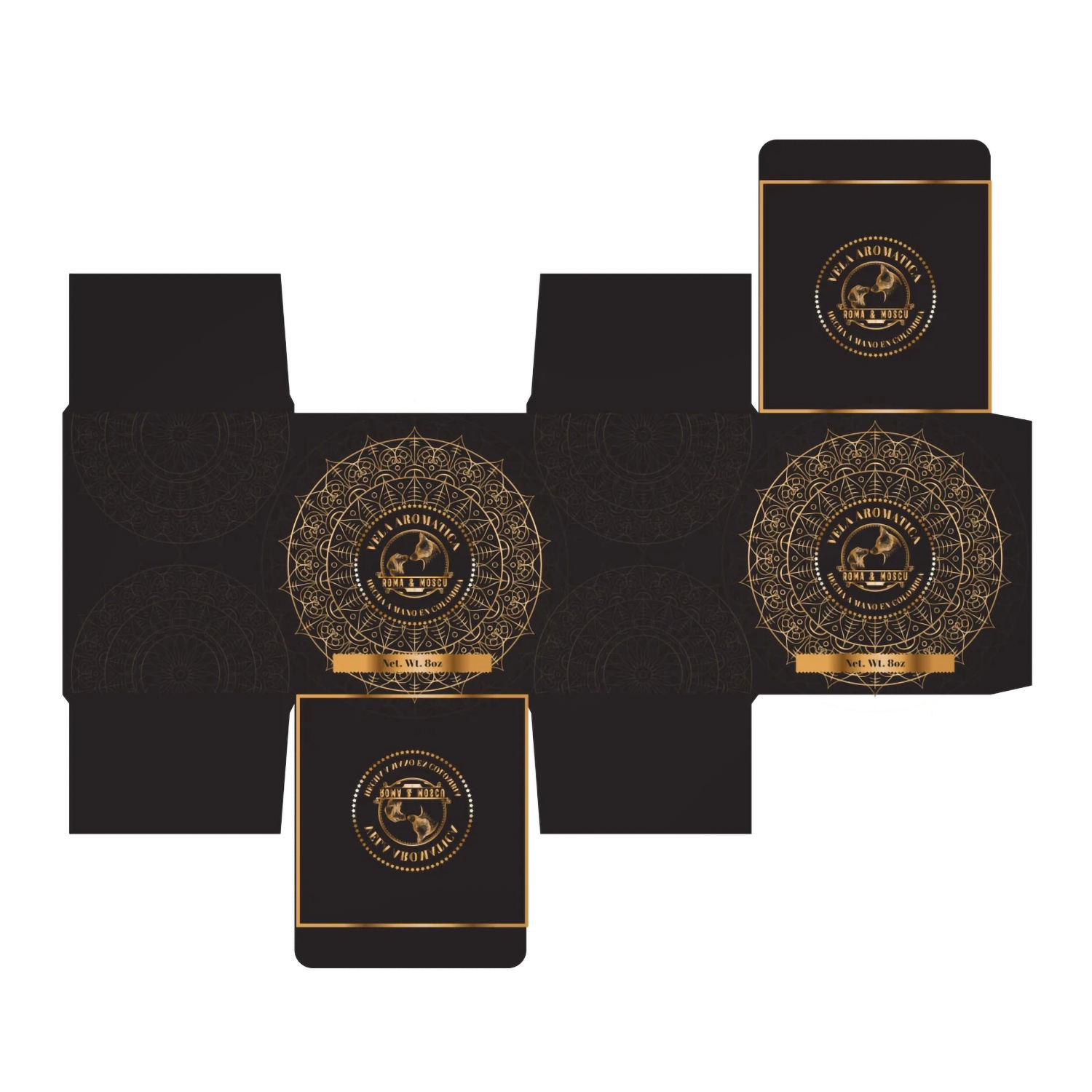
Challenge 1: Long Changeover Times
Proper preparation before changeover is essential. Using the centerline of the equipment as a reference point allows for convenient and precise setup of die-cutting tools, such as full-size die boards and pre-installed bottom plates. Off-machine pre-installation of tools and fine adjustments on the machine can further reduce setup time for repeat jobs. With good management systems in place, changeover time for repeat products, including automatic waste removal, can be completed in under 30 minutes.
Challenge 2: Poor Print-to-Cut Accuracy
As customer demand for high-quality prints continues to rise and packaging box designs become increasingly complex, the accuracy requirements for die-cutting also increase. To maintain a tolerance of ±0.15mm, it is essential to use a reliable die-cutting machine and follow proper setup procedures, especially ensuring proper paper feed and timing when the paper reaches the front guide.
Challenge 3: Subpar Die-Cutting Quality and Excessive Paper Fuzz
Low-quality paperboard, such as recycled paperboard, makes the die-cutting process more challenging. To achieve better die-cutting quality, operators must find the right preparation methods, particularly in reinforcing the bottom plate and gradually increasing pressure. For products that use a lot of cutting lines, balancing the die board is critical, as it can significantly reduce pressure adjustments. Additionally, selecting different hardness levels of rubber strips based on product requirements, layout, and paperboard quality can help improve the die-cutting process.
Challenge 4: Too Many or Too Large Connecting Points
End-users of paper boxes often demand smaller and fewer connecting points, while manufacturers aim to run machines at higher speeds. This increases the difficulty for operators. To reduce this difficulty, connecting points should be placed at stress points and created using a creasing machine. Using hard rubber strips or cork on the cutting edge where the connecting points are needed can prevent them from breaking, making the connecting points smaller and fewer.
Challenge 5: Uneven Crease Lines
Paper boxes require good creases, especially for folding and gluing purposes. More importantly, when these boxes are run on automatic packaging machines, the force required to open them must be stable and consistent. Therefore, selecting the right type of crease line during die-cutting is essential. By choosing the appropriate height and width of the crease lines based on paper thickness and attaching the correct crease lines to the bottom die plate, higher-quality creases can be achieved, making the boxes easier to fold.
Challenge 6: Slow Production Speeds
Many paper box manufacturers experience relatively slow die-cutting speeds, typically around 2,000-3,000 sheets per hour, while some printing companies can achieve speeds as high as 7,000-7,500 sheets per hour. Modern automatic die-cutting machines allow operators to easily reach higher production speeds. Using tools recommended by equipment manufacturers can optimize production speed while maintaining high product quality.
Challenge 7: High Defect Rates
Many printing companies struggle with high defect rates. While some waste is inevitable during the initial setup of the die-cutting process, this can be minimized by using the right tools and following the correct procedures. Waste generated during operation is often caused by stoppages and paper jams. Proper calibration and accurate tool preparation can reduce these issues. Additionally, manual waste removal increases defect rates and reduces profitability.
For high-quality custom packaging box printing, choose Dongguan Reding Packaging Co., Ltd. Their one-stop paper box customization service saves time, money, and hassle.
Related Packaging Resources
Explore related Reding Packaging product options for custom materials, printing, finishing, samples and export production.
For a project-specific recommendation, send size, material, artwork, finish and quantity details through the Reding Packaging quote form.
 SV
SV  EN
EN  ES
ES  RU
RU  PT
PT  AR
AR  DE
DE  FR
FR  IT
IT  JA
JA  KO
KO  NL
NL  PL
PL  UK
UK  RO
RO  SL
SL  BG
BG