

The layout process for printing corrugated boxes is often overlooked in many companies, yet it directly affects both the print quality and production efficiency. Proper layout management is essential to ensure high-quality printing and smooth workflow. However, many corrugated box companies face challenges in this area, including torn printing plates, adhesive issues, and environmental factors like extreme temperatures, which can cause the plates to age and deform.
For custom packaging boxes, this topic connects directly to structure, paperboard thickness, printing, foil stamping, embossing, spot UV, die-cutting, inserts, sample proofing and export packing. Clear specifications help Reding Packaging quote accurately and keep production quality stable.
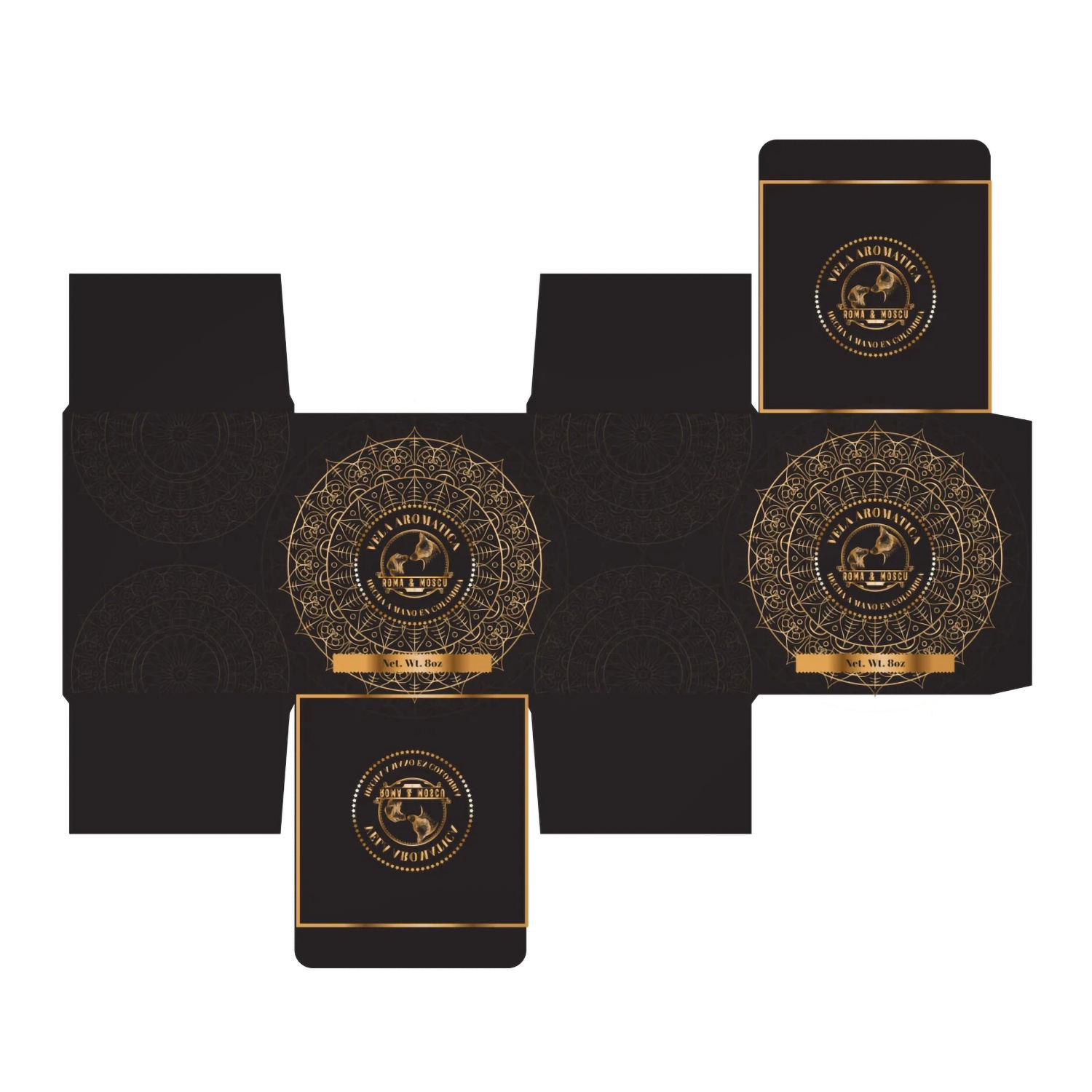
Here are some common issues and best practices for improving the layout and storage process in flexographic printing on corrugated boxes:
- Plate Storage and Environmental Control Proper storage and environmental management of printing plates are crucial. Companies should adopt 5S principles—Sort, Set in order, Shine, Standardize, and Sustain—to maintain a clean, organized workspace. Create designated storage areas for plates based on usage frequency, regularly organize them, and dispose of outdated plates. This helps ensure that plates are well-maintained and the work environment remains comfortable and efficient.
- Securing the Mounting Bars When aligning mounting bars on the plates, it’s essential to ensure they are accurately attached along the plate’s edges. Many corrugated box manufacturers in China use adhesive tape to secure the mounting bars, but over time, this method can cause the bars to shift, especially in the hot and humid second and third quarters of the year. To address this issue, some companies have adopted cold welding technology. This process fuses the mounting bars and plate material together, ensuring the bars are securely fixed. Additionally, fiber tape is often applied near the ends of the mounting bars to reinforce the plate and prevent tearing under stress.
- Drawing Accurate Reference Lines Accurate reference lines are fundamental to a successful layout. Poorly drawn reference lines can cause misalignments, leading to printing errors like improper positioning or registration issues. Two primary reference lines are critical: the vertical center line, which runs from the top to the bottom edge of the plate, and the horizontal zero line, which defines the standard distance between the flap line of the corrugated box and the plate edge. After the reference lines are drawn, the next step is to draw the top flap line, box height line, and bottom flap line based on the dimensions of the corrugated box. It’s important to follow the required scaling for the circumferential direction of the plate while no scaling is needed in the horizontal direction. When mounting the plates, ensure they are precisely aligned both horizontally and vertically, and check for issues like lifted plate edges, missing small characters, loose tape, or damaged plate material. If any of these problems occur, immediate corrective action should be taken.
- Improving Positioning Accuracy Most corrugated box manufacturers still rely on manual methods to mark reference lines for plate positioning, which can lead to large positional inaccuracies. Some companies have started using basic tools to assist with this, yielding better results. These tools often employ projection methods or direct printing of alignment lines on the base material, which significantly improves layout accuracy.
By addressing these issues and implementing best practices in layout management, corrugated box manufacturers can greatly improve their print quality and production efficiency in water-based flexographic printing.
Related Packaging Resources
Explore related Reding Packaging product options for custom materials, printing, finishing, samples and export production.
For a project-specific recommendation, send size, material, artwork, finish and quantity details through the Reding Packaging quote form.
 SL
SL  EN
EN  ES
ES  RU
RU  PT
PT  AR
AR  DE
DE  FR
FR  IT
IT  JA
JA  KO
KO  NL
NL  PL
PL  UK
UK  RO
RO  SV
SV  BG
BG