

Non-woven fabric tote bags have become a popular material choice for many products due to their status as a new generation of eco-friendly materials. These bags offer a range of benefits, including moisture resistance, breathability, water resistance, light weight, non-flammability, easy decomposition, vibrant colors, affordability, and reusability. When burned, they produce no toxic fumes or harmful residues, making them environmentally friendly and internationally recognized as a product that helps protect the Earth’s ecosystem.
For custom paper bags and retail shopping bags, the design should balance paper strength, handle type, print quality, lamination, logo finish and export packing. A matching sticker, tag or card can also make the full packaging set feel more consistent.
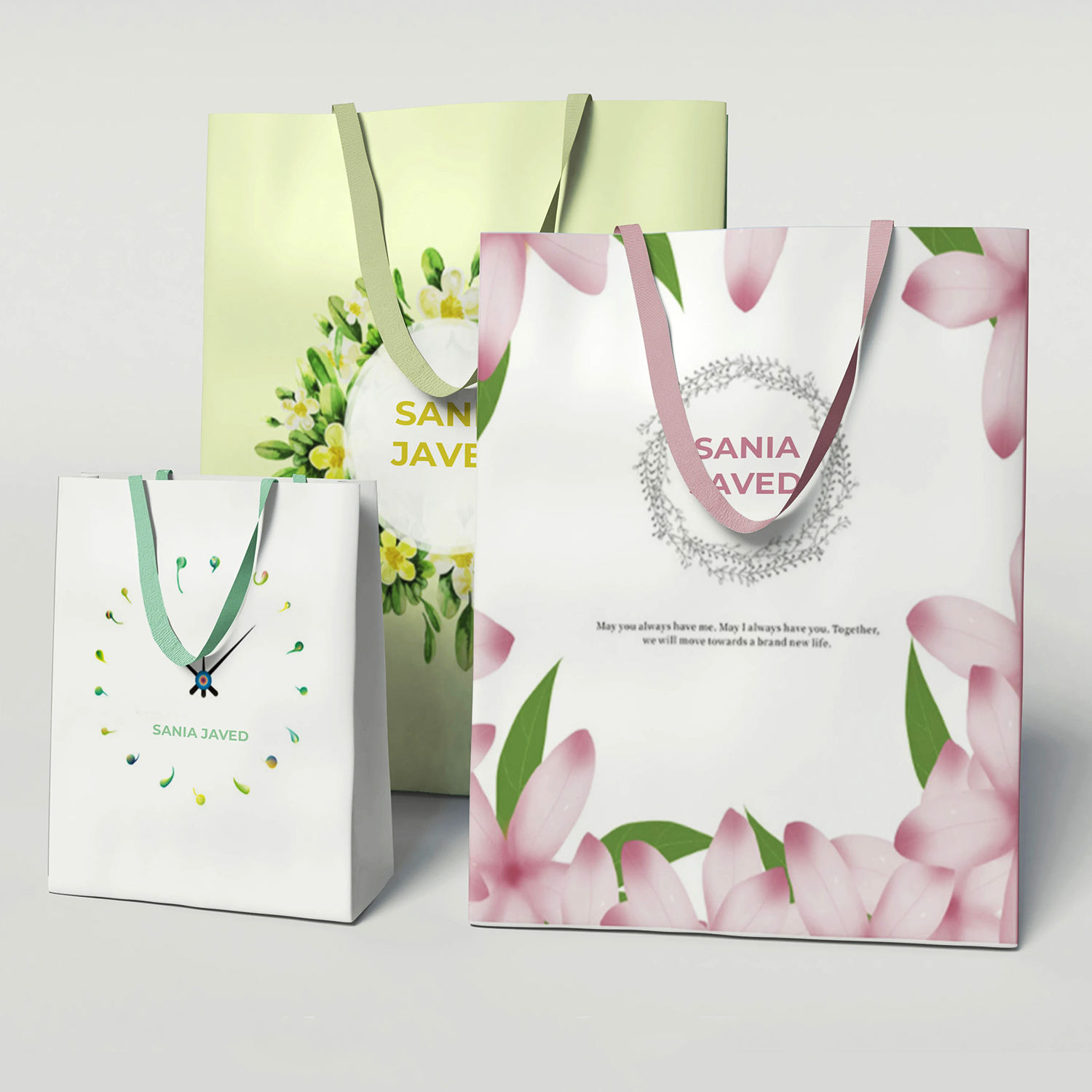
Here are some key points about non-woven fabric tote bags:
- Environmentally Friendly: These bags support government initiatives for environmental protection by reducing resource waste. They can be reused multiple times, and when not in use, they can be folded up and stored in a drawer or backpack. When needed for shopping or carrying items, they can be easily taken out and used again.
- Resource Utilization: While many people now own more non-woven fabric bags than plastic ones, there is the risk of these bags being underused, leading to wasted resources if they accumulate without being utilized.
- Stylish Design: Non-woven fabric tote bags are designed to be visually appealing, catering to young people’s desire for trendy fashion. Carrying a beautifully designed tote bag adds a touch of style, making it more than just a shopping bag. With its attractive appearance, a non-woven bag can also serve as a stylish shoulder bag, becoming a fashionable accessory that enhances one’s look in public. Additionally, its durable, waterproof, and non-sticky nature makes it a practical choice for customers. Companies can also print their logos or advertisements on these bags, offering an efficient way to promote their brand with great returns.
In terms of cost and environmental impact, non-woven fabric tote bags are superior to other materials such as nylon, canvas, and Oxford cloth, which tend to be more expensive. Although paper bags have the advantage of being biodegradable, mass production of paper bags requires large-scale deforestation, which can destabilize vegetation and cause long-term environmental harm. This, in turn, would negatively affect ecosystems and lead to further environmental degradation.
Overall, non-woven fabric tote bags offer a balance of practicality, cost-effectiveness, and eco-friendliness, making them a better choice for businesses and consumers alike.
Related Packaging Resources
Explore related Reding Packaging product options for custom materials, printing, finishing, samples and export production.
For a project-specific recommendation, send size, material, artwork, finish and quantity details through the Reding Packaging quote form.
 RU
RU  EN
EN  ES
ES  PT
PT  AR
AR  DE
DE  FR
FR  IT
IT  JA
JA  KO
KO  NL
NL  PL
PL  UK
UK  RO
RO  SV
SV  SL
SL  BG
BG