

In various types of packaging, paper boxes are versatile containers and hold promising prospects as they are made from renewable materials. These boxes are formed by folding or pasting paperboard into various shapes. The primary reasons for excessive opening of seams after box formation are twofold: paper-related factors and process-related issues.
For custom packaging boxes, this topic connects directly to structure, paperboard thickness, printing, foil stamping, embossing, spot UV, die-cutting, inserts, sample proofing and export packing. Clear specifications help Reding Packaging quote accurately and keep production quality stable.
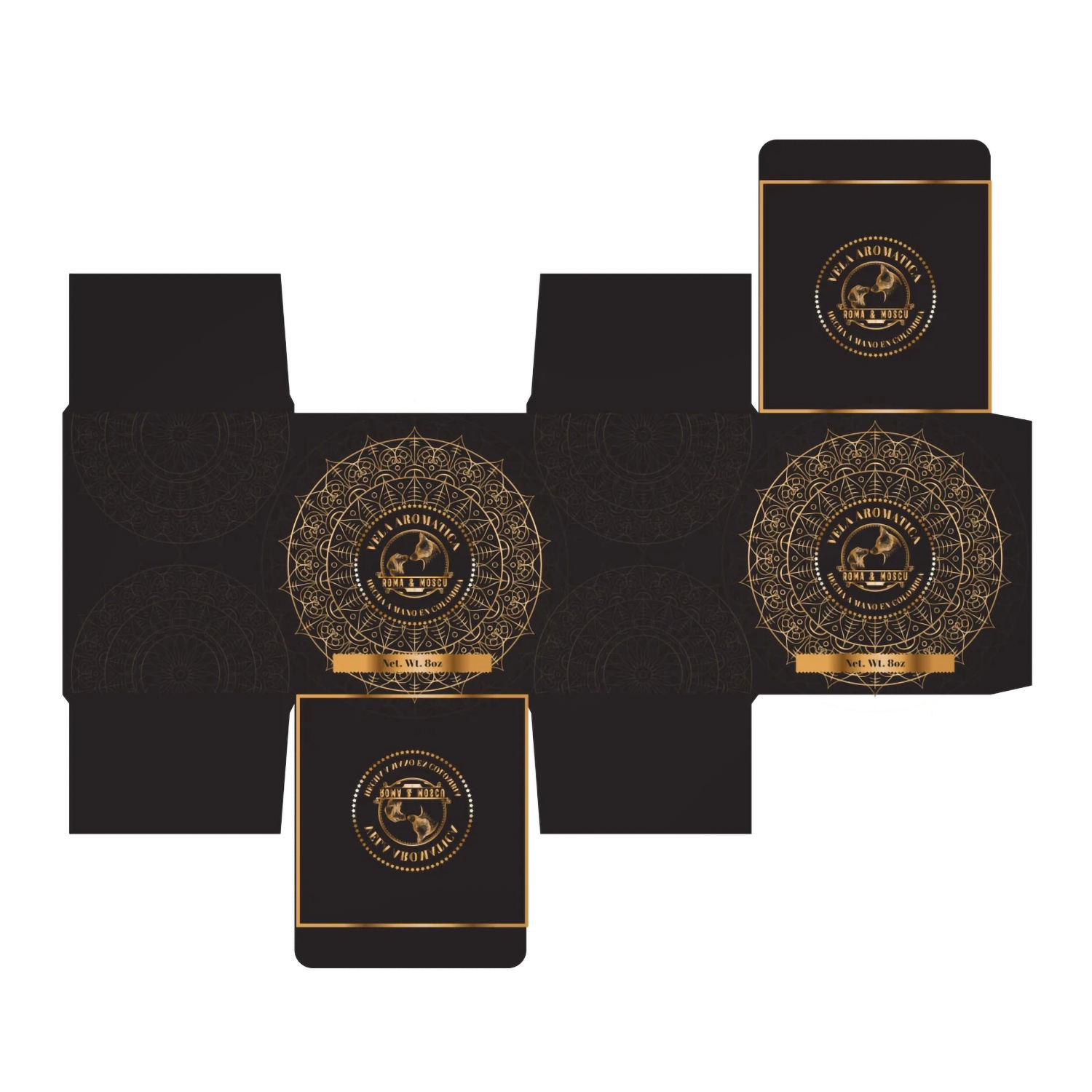
1. Paper-related Factors:
- Type of Paper Used: Most commonly, rotary paper or imported rolls are utilized. Due to space and transportation constraints, these rolls often require cutting and are not completely flat afterward, retaining a tendency to curl.
- Moisture Content: Uniform distribution of moisture within the paper is crucial. If stored improperly, with edges retaining more moisture than the center, the paper can warp over time.
- Fiber Orientation: Papers have different characteristics based on the orientation of their fibers. Horizontal fibers deform less than vertical ones. If the opening of the box aligns parallel to the fiber direction, this deformation becomes noticeable, causing the seam to bulge.
2. Process-related Issues:
- Surface Treatments: Processes like UV coating, lamination, and polishing reduce paper moisture significantly, leading to fiber deformation. Especially with heavier paper stocks and water-based coatings, internal bending can occur, requiring manual correction.
- Die Cutting: Quality of die-cutting plates significantly impacts box formation. Handcrafted plates may lead to imprecise cuts and specifications, whereas laser-cut plates offer higher precision.
- Creasing Depth: Proper creasing is essential. Too deep creases deform the paper fibers, while too shallow ones fail to penetrate fully. This imbalance can cause the edges to expand outward after folding.
- Plate Layout: Aligning the fiber direction across plates optimizes box stability. While cost considerations often lead to using fewer sheets per print, this practice should balance material savings with quality requirements.
In conclusion, addressing excessive seam opening after box formation involves careful consideration of paper selection, moisture control, precise manufacturing processes, and optimal plate layouts. By implementing these measures, manufacturers can significantly improve the quality and consistency of craft box production.
The provided text seems to include a promotional segment for a specific company, but I focused on the technical aspects related to craft box production. Let me know if you need more information or details on any specific part!
Related Packaging Resources
Explore related Reding Packaging product options for custom materials, printing, finishing, samples and export production.
For a project-specific recommendation, send size, material, artwork, finish and quantity details through the Reding Packaging quote form.
 RU
RU  EN
EN  ES
ES  PT
PT  AR
AR  DE
DE  FR
FR  IT
IT  JA
JA  KO
KO  NL
NL  PL
PL  UK
UK  RO
RO  SV
SV  SL
SL  BG
BG