

In modern retail, environmental sustainability has become a central focus for many industries, especially in packaging. With increasing awareness of eco-friendly practices, companies are looking for ways to reduce their environmental impact. Among various packaging materials, paper-based options, such as corrugated packaging boxes, stand out for being cost-effective and recyclable compared to alternatives like glass, metal, and plastic. Corrugated boxes, in particular, offer great value in terms of both environmental benefits and affordability. Here are the key aspects to consider when designing corrugated packaging:
For custom packaging boxes, this topic connects directly to structure, paperboard thickness, printing, foil stamping, embossing, spot UV, die-cutting, inserts, sample proofing and export packing. Clear specifications help Reding Packaging quote accurately and keep production quality stable.
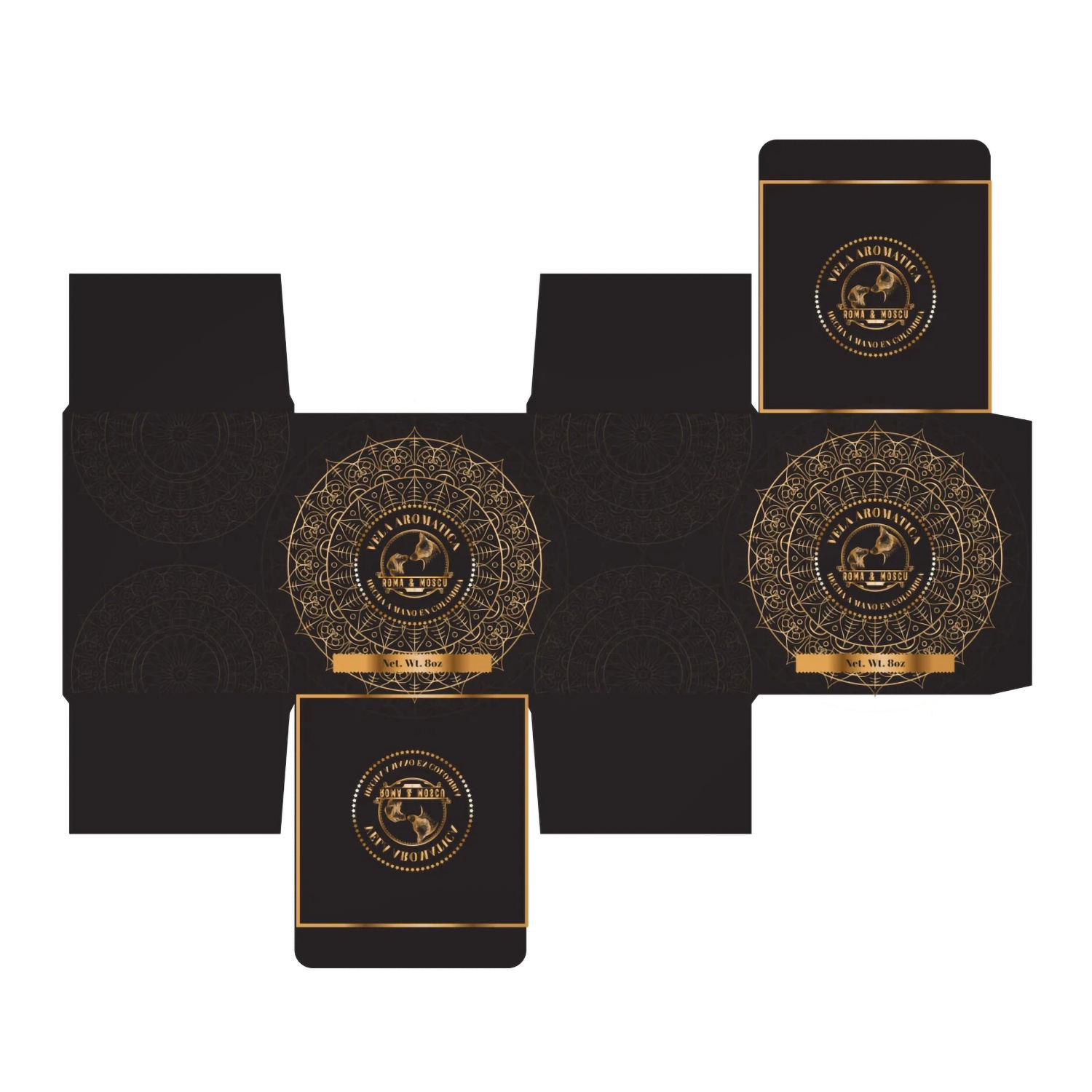
1. Material Selection
Choosing the right material is crucial depending on the specific purpose of the packaging. Since corrugated boxes are primarily made from corrugated cardboard, factors such as printing needs and weather conditions (like humidity) should be taken into account when selecting the surface paper.
2. Size Design
A major advantage of corrugated packaging is its versatility in terms of shape and size. You can design the box to fit the actual dimensions of the product, ensuring that the box isn’t too large or too small, which could compromise its protective function by causing the box to tear or leaving the item vulnerable.
3. Printing Process
Beyond protecting the product, packaging also serves as a powerful display tool. The design process must consider the printing technique to ensure that logos, brand messages, and product information are clearly and attractively displayed.
4. Packaging Design
Packaging design is essentially the “clothing” of the product. Just like people want their clothes to be both functional and stylish, packaging should also be practical yet visually appealing. The design should catch the customer’s eye and leave a strong impression.
Future Trends in Packaging
As packaging technology continues to evolve, competition within the market becomes more intense. Both businesses and consumers are raising their standards for product packaging, seeking solutions that are more convenient, higher in quality, and lower in cost. Over the next few years, the trend in packaging will focus on creating solutions that not only reduce costs but also improve quality. This will involve selecting lightweight, cost-effective raw materials that are easier to manufacture and transport, thus cutting production and shipping expenses.
By shortening production time, businesses can increase their profits while providing consumers with greater convenience. The goal is to offer a balance between cost-effective, high-quality packaging that meets the needs of both merchants and customers alike.
Related Packaging Resources
Explore related Reding Packaging product options for custom materials, printing, finishing, samples and export production.
For a project-specific recommendation, send size, material, artwork, finish and quantity details through the Reding Packaging quote form.
 EN
EN  ES
ES  RU
RU  PT
PT  AR
AR  DE
DE  FR
FR  IT
IT  JA
JA  KO
KO  NL
NL  PL
PL  UK
UK  RO
RO  SV
SV  SL
SL  BG
BG