

Product packaging can be broadly divided into two categories: transportation packaging and retail packaging. Retail packaging is what consumers directly interact with, so beyond its functional role, it should also have strong artistic appeal. The shape and design of the packaging must meet scientific, aesthetic, and commercial requirements. When designing, it’s essential to consider not only the functional aspects but also the appearance and decorative elements to create an attractive, marketable package.
For custom packaging boxes, this topic connects directly to structure, paperboard thickness, printing, foil stamping, embossing, spot UV, die-cutting, inserts, sample proofing and export packing. Clear specifications help Reding Packaging quote accurately and keep production quality stable.
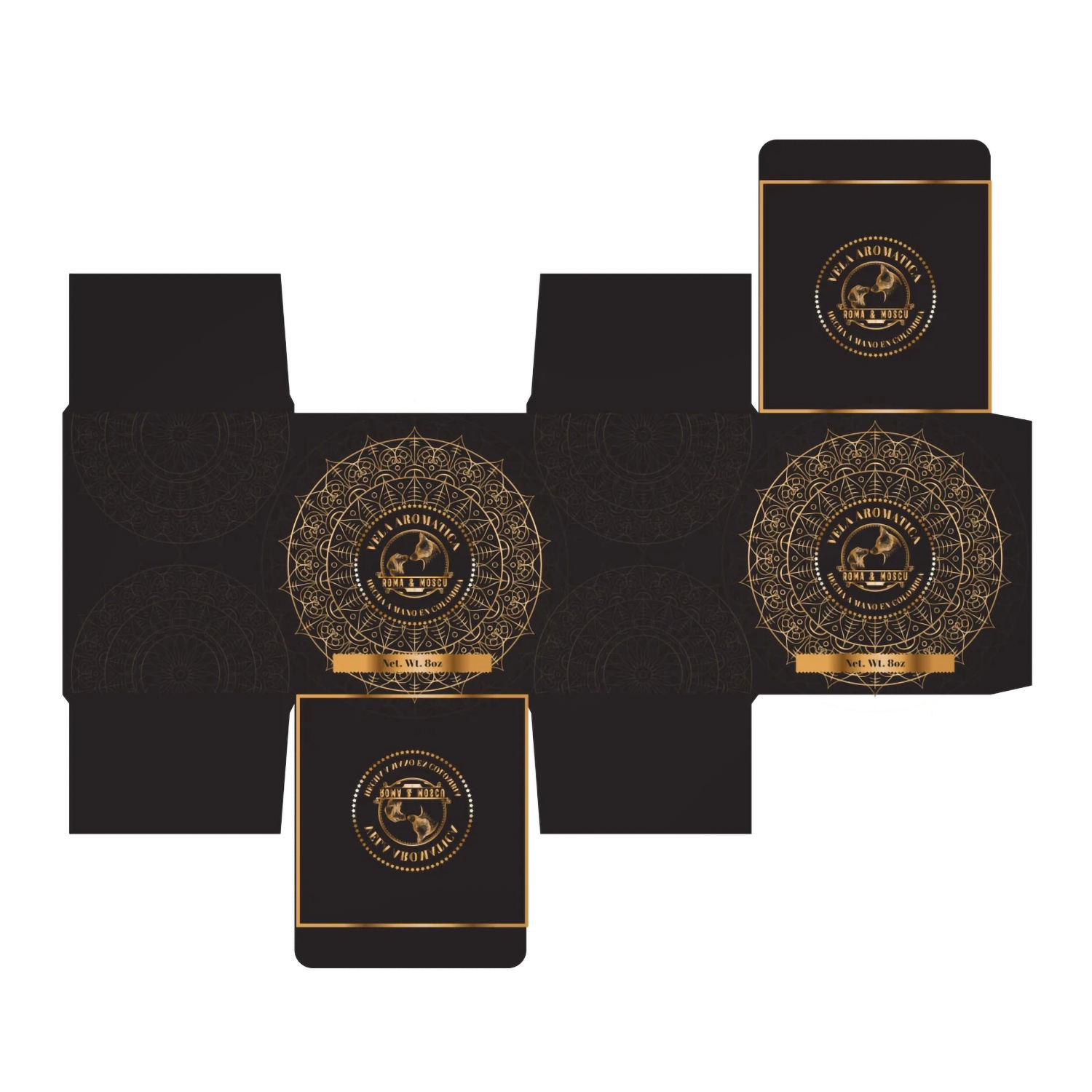
A well-designed package should not only contain and protect the product but also enhance its appeal, encourage sales, and be convenient for carrying, displaying, and transporting. The following aspects should be considered when designing color boxes and cartons:
1. Meeting Overall Design Requirements
The design should first satisfy the overall packaging needs. This includes balancing practical, structural, and decorative design elements. Structural design must consider the characteristics of the product being packaged, environmental factors, and user needs. The design should logically incorporate essential components such as the box lid, base, glue flaps, and dust flaps, ensuring the package is scientifically sound while aesthetically appealing.
2. Aesthetic and Functional Harmony
The design must integrate both the functional and aesthetic aspects of the packaging. From an aesthetic perspective, the design should enhance the product’s presentation and display appeal, making it stand out on the shelf. The appearance and decoration of the packaging are critical in attracting consumer attention and should be carefully crafted with principles of aesthetics in mind.
3. Size and Strength Design
Proper sizing and structural integrity are vital in packaging design. This not only affects the visual quality of the product but also impacts production and distribution costs. The strength and durability of the package ensure the safety of the product during transportation and storage, while size optimization helps reduce material waste and improves efficiency.
4. Understanding Product and Production Processes
A good designer must consider every aspect of the packaging process. This includes having creative skills for graphic design and a deep understanding of the entire packaging production process. The designer should be familiar with the characteristics of the product, the design of the container, and the factors that influence the product’s market success. They should also understand the technical aspects of packaging production, especially post-production processes for paper cartons. This knowledge enables designers to create products that are accepted by customers and the market.
5. Incorporating Scientific Design Methods
Incorporating scientific design principles into practical work ensures high-quality results. Designers should have a solid understanding of cushioning design, production techniques, and necessary aesthetic and cultural knowledge. Only by thoroughly considering every aspect of the design process can one achieve an optimal balance between form, function, and cost.
By focusing on these principles, packaging designers can create products that are both functional and visually appealing, helping to ensure the success of the product in the marketplace.
Related Packaging Resources
Explore related Reding Packaging product options for custom materials, printing, finishing, samples and export production.
For a project-specific recommendation, send size, material, artwork, finish and quantity details through the Reding Packaging quote form.
 IT
IT  EN
EN  ES
ES  RU
RU  PT
PT  AR
AR  DE
DE  FR
FR  JA
JA  KO
KO  NL
NL  PL
PL  UK
UK  RO
RO  SV
SV  SL
SL  BG
BG