

Paper Bags for Brand Packaging: Kraft, Art Paper, Lamination, and Handle Options
Custom paper bags are often treated as a finishing touch, but for many brands they are part of the main packaging impression. A paper bag needs to carry weight safely, match the visual language of the box or label, and still look premium when customers carry it in stores, at events, or during gifting.
This guide explains how buyers can choose custom paper bags more practically by comparing paper type, lamination, handle options, and production details before placing an order.
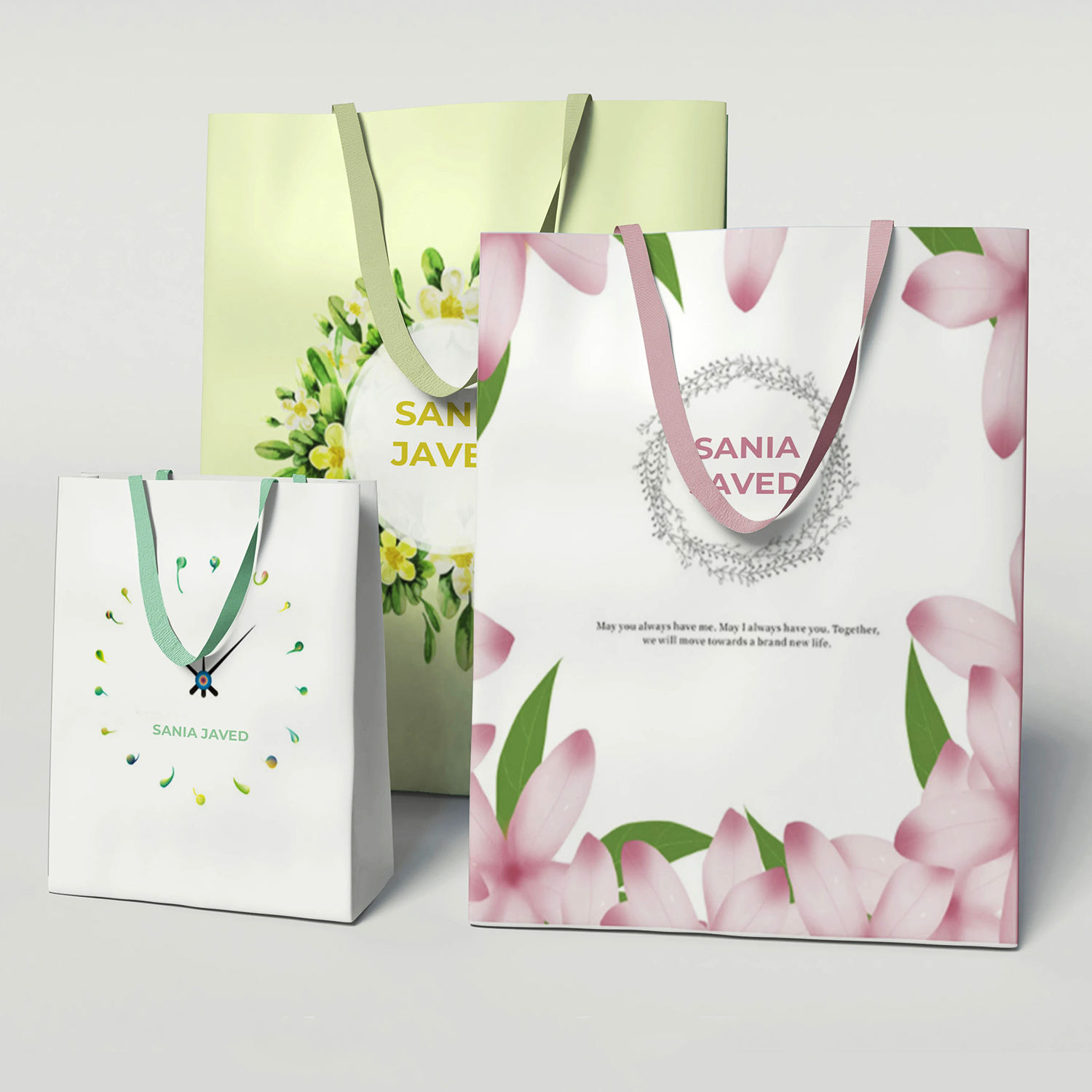
1. Start With the Real Use Case
Before choosing paper or handle style, buyers should define how the bag will actually be used. A luxury gift bag, a wine bottle bag, a boutique shopping bag, and an event giveaway bag do not need the same construction.
Useful questions include:
- Will the bag carry light products, heavy products, or boxed gift sets?
- Is the bag mainly for retail display, gifting, event use, or e-commerce handoff?
- Should the visual style feel natural, premium, minimalist, or high-end luxury?
- Does the bag need to match existing labels, boxes, or brand colors?
Once that is clear, paper type and finishing choices become much easier to narrow down.
2. Kraft Paper vs Art Paper
Kraft paper bags
Kraft paper is a practical choice when the brand wants a more natural, simple, or eco-leaning look. It can still be printed well, but the overall impression is usually more understated than coated art paper.
Kraft is often suitable for:
- Food packaging
- Simple retail takeout bags
- Brands that want a natural paper texture
- Projects where a cleaner cost structure matters
Art paper bags
Art paper is usually chosen when the brand wants a smoother surface, sharper print result, stronger color, and more premium finishing options. It is common for cosmetics, jewelry, wine gifts, boutique retail, and luxury presentation bags.

3. Lamination Changes Both Look and Durability
Lamination is not only a visual choice. It also affects scuff resistance, moisture resistance, and how the bag feels in hand.
Matte lamination
Matte lamination usually gives a calmer, more premium look. It is often used for gift bags, cosmetics, jewelry, and high-end boutique packaging.
Gloss lamination
Gloss lamination increases color pop and surface shine. It can help brighter designs look more energetic, especially in retail environments.
Buyers should choose lamination based on both style and practical handling conditions, not only on appearance in a digital mockup.
4. Handle Options Matter More Than Many Buyers Expect
The handle affects both comfort and perceived quality. Even a well-printed bag can feel ordinary if the handle does not match the product tier.
Common options include:
- Twisted paper handles for everyday retail use
- Cotton or rope handles for a more premium look
- Ribbon handles for gift-focused presentation
- Die-cut handles for simpler flat bag structures
Handle choice should also match the product weight and the bag opening size.
5. Printing Effects for Premium Paper Bags
Custom paper bags can use the same finishing logic as boxes and labels, but effects should still be selected with restraint.
Foil stamping
Foil is effective for logos and short brand marks when the goal is stronger shelf or gift appeal.
Embossing or debossing
These effects add texture and can help a simple logo feel more upscale.
Spot UV
Spot UV works better on smoother surfaces and is useful for contrast-led, modern bag designs.

6. Size, Reinforcement, and Bottom Structure
Paper bags need to be sized around the actual product, not estimated visually. Buyers should confirm bag width, gusset, height, bottom reinforcement, and whether the bag needs extra board support in the base or top fold area.
This matters especially for wine bottles, gift boxes, cosmetics sets, candles, and heavier retail packs.
7. MOQ, Sampling, and Price Planning
For custom paper bags, Reding Packaging’s standard MOQ is 1,000 pieces. Sampling is available before bulk production, and larger quantities usually provide better pricing efficiency.
Sampling is helpful when buyers want to confirm handle feel, paper thickness, lamination result, size fit, and logo finishing before going into the main run.
8. Free Design Support and What to Send for Quotation
Reding Packaging provides free design support for print-ready file checking, simple layout adjustment, vector redraw from non-vector files, and marking foil or embossing areas before approval.
To get a faster and more accurate quote, send:
- Bag size or product dimensions
- Estimated quantity
- Paper preference
- Lamination and handle requirements
- Logo file or artwork
- Reference bag photo if available
- Shipping destination
FAQs About Custom Paper Bags
What paper is best for custom paper bags?
It depends on the brand style and use case. Kraft paper suits more natural and practical projects, while art paper is often better for sharper print and premium finishing.
Can I add foil stamping to a paper bag?
Yes. Foil stamping is a common upgrade for logos and premium brand marks on paper bags.
What is the MOQ for custom paper bags?
The standard MOQ is 1,000 pieces. Sampling is available, and larger quantities usually offer better pricing.
Can Reding Packaging help with bag artwork setup?
Yes. Free design support is available for file checking, simple layout adjustment, vector redraw, and finish marking before approval.
Conclusion
The best custom paper bags are built around product weight, brand style, and real use conditions. Kraft vs art paper, matte vs gloss lamination, and handle selection all affect both appearance and performance. The strongest result usually comes from choosing a clear visual direction and matching it with practical bag construction.
Need a quote? Send your bag size, quantity, artwork, paper preference, handle choice, and finish requirements. MOQ starts at 1,000 pieces, sampling is available, larger quantities usually get better pricing, and Reding Packaging can help prepare a practical print-ready layout.
 FR
FR  EN
EN  ES
ES  RU
RU  PT
PT  AR
AR  DE
DE  IT
IT  JA
JA  KO
KO  NL
NL  PL
PL  UK
UK  RO
RO  SV
SV  SL
SL  BG
BG