

The quality of packaging boxes plays a crucial role in the protection and presentation of goods. Several factors can influence the quality of packaging boxes during production. Here are some of the key elements:
For custom packaging boxes, this topic connects directly to structure, paperboard thickness, printing, foil stamping, embossing, spot UV, die-cutting, inserts, sample proofing and export packing. Clear specifications help Reding Packaging quote accurately and keep production quality stable.
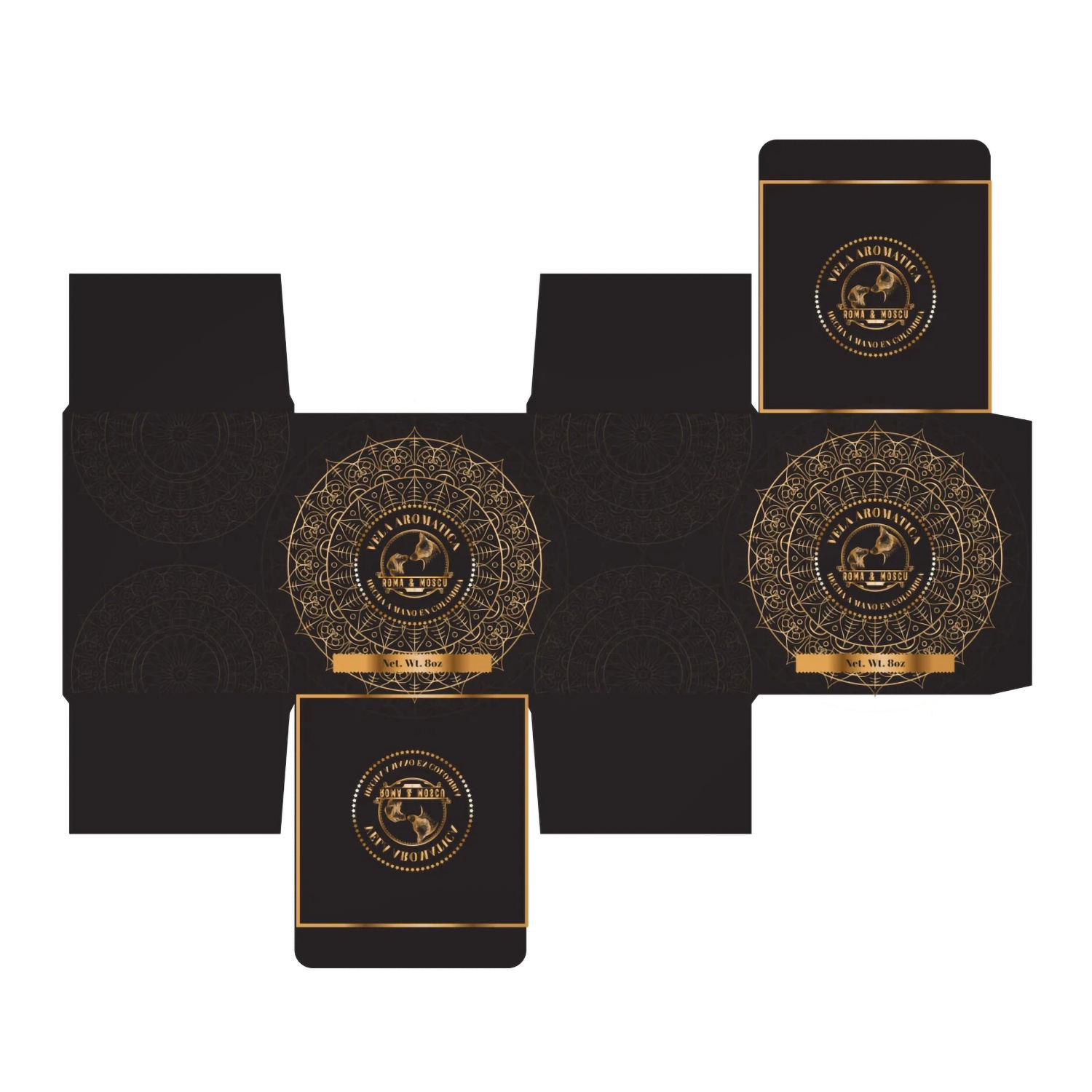
- Design Alignment Issues
Sometimes, multiple designs may be arranged horizontally on the printing plate. This can lead to a color discrepancy between the patterns on the left and right ends of the plate. This issue is particularly noticeable during the electronic engraving process, where dot sizes may vary slightly from left to right. As a result, the printing effect on both ends of the plate cylinder may differ. - Temperature Fluctuations in the Printing Environment
Significant changes in room temperature can affect ink flow. For instance, when the temperature fluctuates, the ink’s consistency changes, which impacts the printing quality. To address this, many production facilities maintain the room temperature at around 23°C (73°F) for consistent quality. In winter, inks need to be preheated to improve fluidity and ensure smooth printing. - Ink Transfer Issues Due to Blockages
If the printing dots become clogged, the amount of ink transferred to the box will decrease, leading to a color discrepancy from the intended design. In cases of clogging, solvents or special cleaning agents must be used to clean the printing plates and restore the correct ink flow. - Effect of Air Flow on Drying and Printing Speed
Airflow in the printing environment can affect both the printing and drying speeds, which may result in color variations. Inconsistent airflow can lead to differences in the final color of the printed boxes.
Addressing these factors ensures that the packaging boxes are produced with high-quality standards, maintaining consistency and reliability in the final product.
Related Packaging Resources
Explore related Reding Packaging product options for custom materials, printing, finishing, samples and export production.
For a project-specific recommendation, send size, material, artwork, finish and quantity details through the Reding Packaging quote form.
 EN
EN  ES
ES  RU
RU  PT
PT  AR
AR  DE
DE  FR
FR  IT
IT  JA
JA  KO
KO  NL
NL  PL
PL  UK
UK  RO
RO  SV
SV  SL
SL  BG
BG