

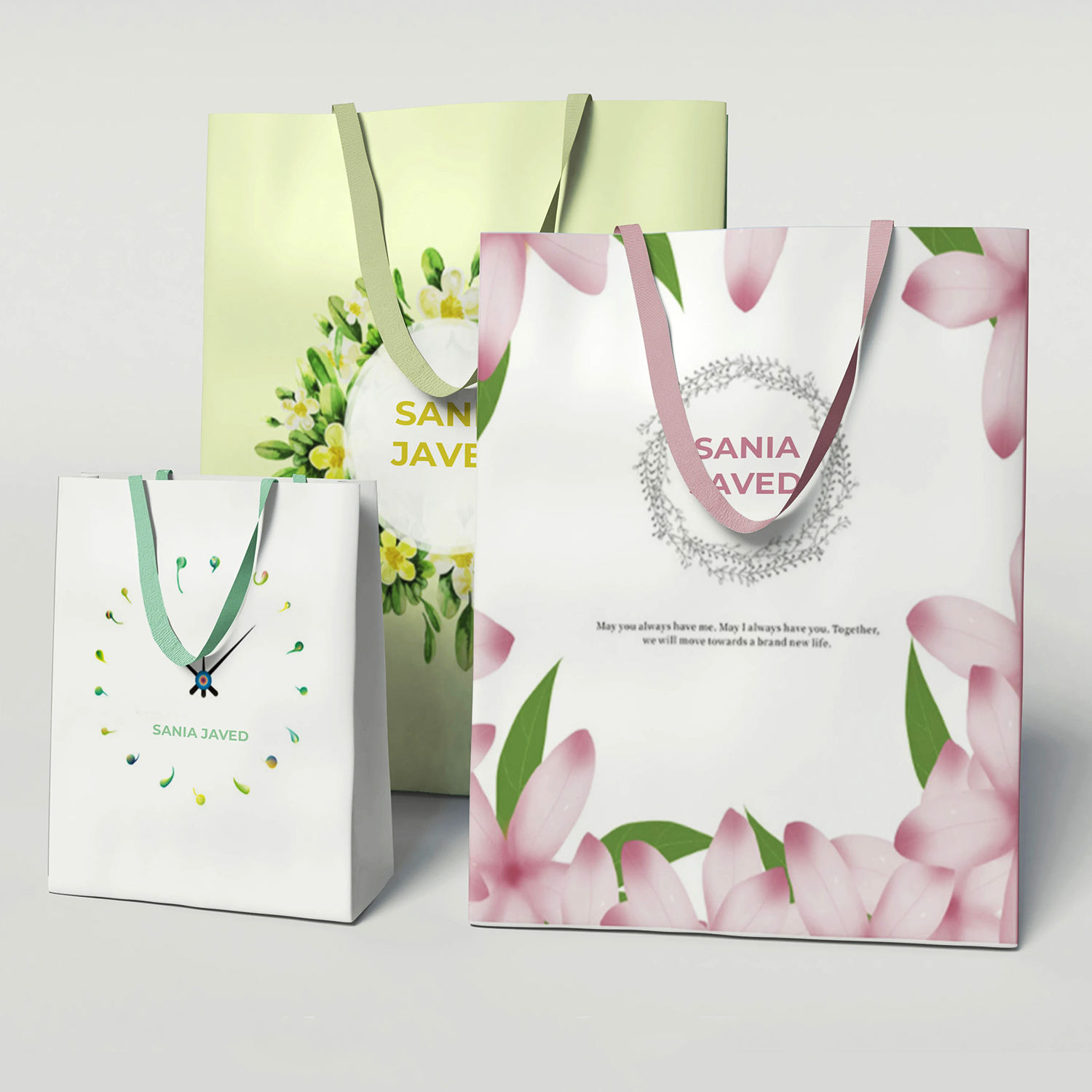
With the increasing prevalence of beautifully designed paper bag, we see them everywhere, particularly in food packaging. These bags have become an essential part of daily life, not only reducing the burden of carrying items but also serving as an effective marketing tool for businesses. But what are the key functions of simple food paper bags? Let’s explore the benefits with insights from Reding Packaging.
For custom paper bags and retail shopping bags, the design should balance paper strength, handle type, print quality, lamination, logo finish and export packing. A matching sticker, tag or card can also make the full packaging set feel more consistent.
1. Physical Protection
Food placed inside paper bags needs protection from various physical impacts such as pressure, bumps, vibrations, and temperature changes. The external shell of the packaging safeguards the food from exposure to oxygen, moisture, and dirt, ensuring the contents remain intact. Preventing leakage is also a crucial element of packaging design. Some packaging even includes desiccants or oxygen absorbers to extend shelf life. Vacuum sealing or air removal from the packaging is a widely used method for preserving food. Ultimately, maintaining the food’s cleanliness, freshness, and safety throughout its shelf life is the primary function of food paper bags.
2. Efficient Storage
Paper Bags help in saving space by neatly storing multiple small items of the same type together. Products like powders or granules, which need containment, can be securely sealed in these bags, preventing spillage or contamination.
3. Communication and Information
Food paper bags also play a key role in communicating essential information to consumers. Packaging and labeling provide guidance on how to use, transport, recycle, or dispose of the food item. Packaging also serves as a marketing tool, with labels and designs encouraging potential customers to make a purchase.
4. Safety and Security
Packaging can significantly reduce the risks associated with transporting food, ensuring that it doesn’t mix with other items or get damaged during shipping. Strong, tamper-proof packaging with security features helps protect the business from theft or fraud. Paper Bags may include security features such as holograms, special colors, or authentication codes. In some cases, food packaging includes electronic monitoring tags, which are deactivated at the checkout counter to prevent theft.
5. Convenience
One of the major advantages of food paper bags is convenience. These bags are designed to be easy to store, carry, display, sell, open, and reuse. They make it simpler for consumers to add, remove, or repurpose items, offering a user-friendly experience.
6. Portion Control
Single-use packaging is ideal for portion control, helping consumers manage their food intake and monitor the overall consumption of the product.
In summary, food paper bag serve multiple purposes, from protecting and preserving food to enhancing marketing efforts and ensuring convenience for both businesses and consumers. They have become an indispensable tool in modern food packaging and retail.
Related Packaging Resources
Explore related Reding Packaging product options for custom materials, printing, finishing, samples and export production.
For a project-specific recommendation, send size, material, artwork, finish and quantity details through the Reding Packaging quote form.

 BG
BG  EN
EN  ES
ES  RU
RU  PT
PT  AR
AR  DE
DE  FR
FR  IT
IT  JA
JA  KO
KO  NL
NL  PL
PL  UK
UK  RO
RO  SV
SV  SL
SL