

Currently, the primary inspection technologies for color box printing quality include density-based and chromaticity-based methods. The density method is a process control approach that monitors key steps in the printing process by measuring ink layer thickness. The chromaticity method, on the other hand, is a high-precision control system that manages color by directly measuring chromaticity or spectral reflectance, but it requires careful consideration of printing materials, application environments, and testing objectives. In terms of implementation, inspection can be done offline through manual sampling or online through automated detection.
For custom packaging boxes, this topic connects directly to structure, paperboard thickness, printing, foil stamping, embossing, spot UV, die-cutting, inserts, sample proofing and export packing. Clear specifications help Reding Packaging quote accurately and keep production quality stable.
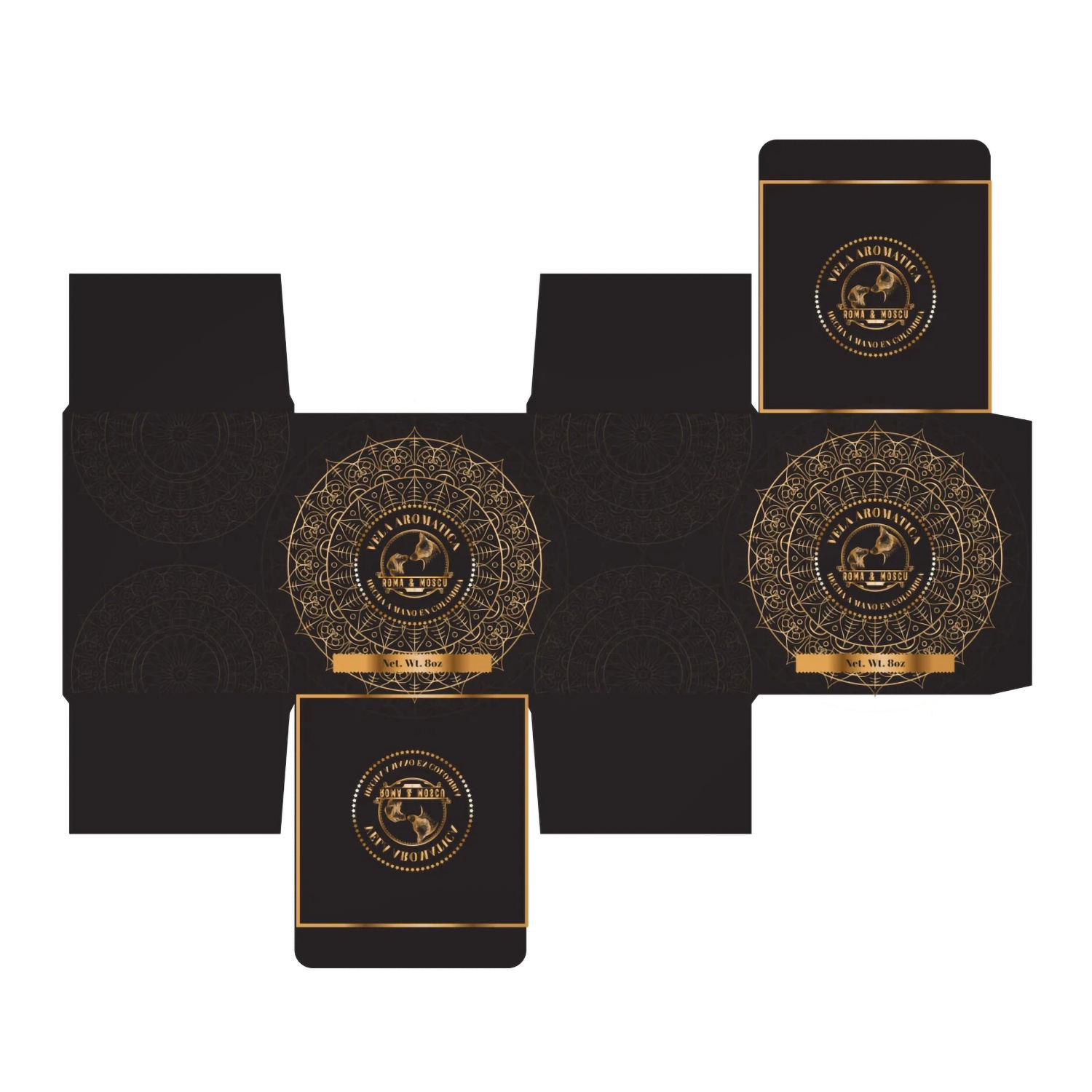
1. Inspection and Control of Special Materials Printing Quality
In color box packaging, the use of special and innovative materials has become a trend. For instance, cigarette packaging has evolved from paper soft packs and cardboard hard packs to aluminum foil gold and silver cardboard hard packs. These high-gloss, coated materials with metallic luster reflect light, creating an elegant and premium appearance. When printed with colorful designs, they greatly enhance the product’s perceived value, making them widely used in luxury packaging.
However, due to the high gloss and metallic surface, light reflects strongly, and the appearance of the color changes depending on the viewing angle, making it difficult to control color consistency during the printing process. This poses a challenge for printers in ensuring consistent ink colors across batches and introduces specific testing requirements for such materials.
When printing on high-gloss materials, the inspection focuses not only on four-color process printing but also on special inks and anti-counterfeit techniques. The parameters monitored include density, dot gain, registration, and gloss. Given the challenges posed by glossy surfaces, density and dot measurements require instruments using d/0 optical geometry. A spectrophotometer that measures the color spectrum at intervals across the visible range (400–700nm) can provide accurate color data such as CIELab values and color differences. Instruments like the X-Rite SP series meet this requirement, while others like the X-Rite 900 series, which operates on a 0/45 geometry, would not provide consistent or accurate results on such materials.
2. Inspection and Control of Spot Color Printing Quality
In color box printing, spot colors are often used for large, solid areas of color, providing vibrant and stable hues that enhance shelf appeal. Spot color printing reduces color variation caused by dot overprinting and dot distortion, offering stability and easy recognition. However, most color box printing companies in China still rely heavily on manual color matching by skilled workers, which can lead to inaccuracies, long adjustment times, and subjective errors.
A color matching system provides a more accurate solution and represents the mainstream quality control technology in global color box printing. A spot color matching system consists of a computer, color matching software, a spectrophotometer, an analytical balance, an ink blender, an ink spreader, and a printability tester. Such a system stores data on printing materials, inks, and color matching parameters in a database. The system can measure the color sample provided by the client and use software to analyze and match colors based on CIELab values, density, and ΔE to provide the necessary printing control parameters.
For example, the Swiss GretagMacbeth ink formulation system, featuring the SpectroEye spectrophotometer and InkFormulation software, allows for highly precise color matching. The system not only measures density and dot values but also analyzes hue, saturation, and luminosity. It enables color matching for different printing methods such as offset, flexo, gravure, and screen printing. This digital approach removes the constraints of manual color matching, addressing the demand for higher quality, faster production times, and lower costs in the color box printing industry.
3. Online Inspection and Control Technology for Color Box Printing Quality
With the advancement of digital image acquisition and processing technologies, online print quality inspection systems that detect and adjust print quality in real-time are becoming increasingly popular. Major printing press manufacturers now offer online image inspection systems as standard, such as PECOM from Manroland, CPC32 from Heidelberg, BOBST from Switzerland, and PROIMAGE from the USA. These systems provide continuous image monitoring and automatic adjustment during the printing process, ensuring high-quality results.
The content above provides an in-depth discussion of color box printing quality inspection and control methods. For custom premium packaging boxes, Dongguan Reding Packaging Co., Ltd. offers one-stop packaging solutions, saving you time, money, and effort.
Related Packaging Resources
Explore related Reding Packaging product options for custom materials, printing, finishing, samples and export production.
For a project-specific recommendation, send size, material, artwork, finish and quantity details through the Reding Packaging quote form.
 BG
BG  EN
EN  ES
ES  RU
RU  PT
PT  AR
AR  DE
DE  FR
FR  IT
IT  JA
JA  KO
KO  NL
NL  PL
PL  UK
UK  RO
RO  SV
SV  SL
SL