

Gift boxes are a practical type of packaging primarily used to present gifts as a way to express emotions and convey good intentions. They are an extension of packaging functionality to meet social needs, representing the giver’s thoughtfulness.
For custom packaging boxes, this topic connects directly to structure, paperboard thickness, printing, foil stamping, embossing, spot UV, die-cutting, inserts, sample proofing and export packing. Clear specifications help Reding Packaging quote accurately and keep production quality stable.
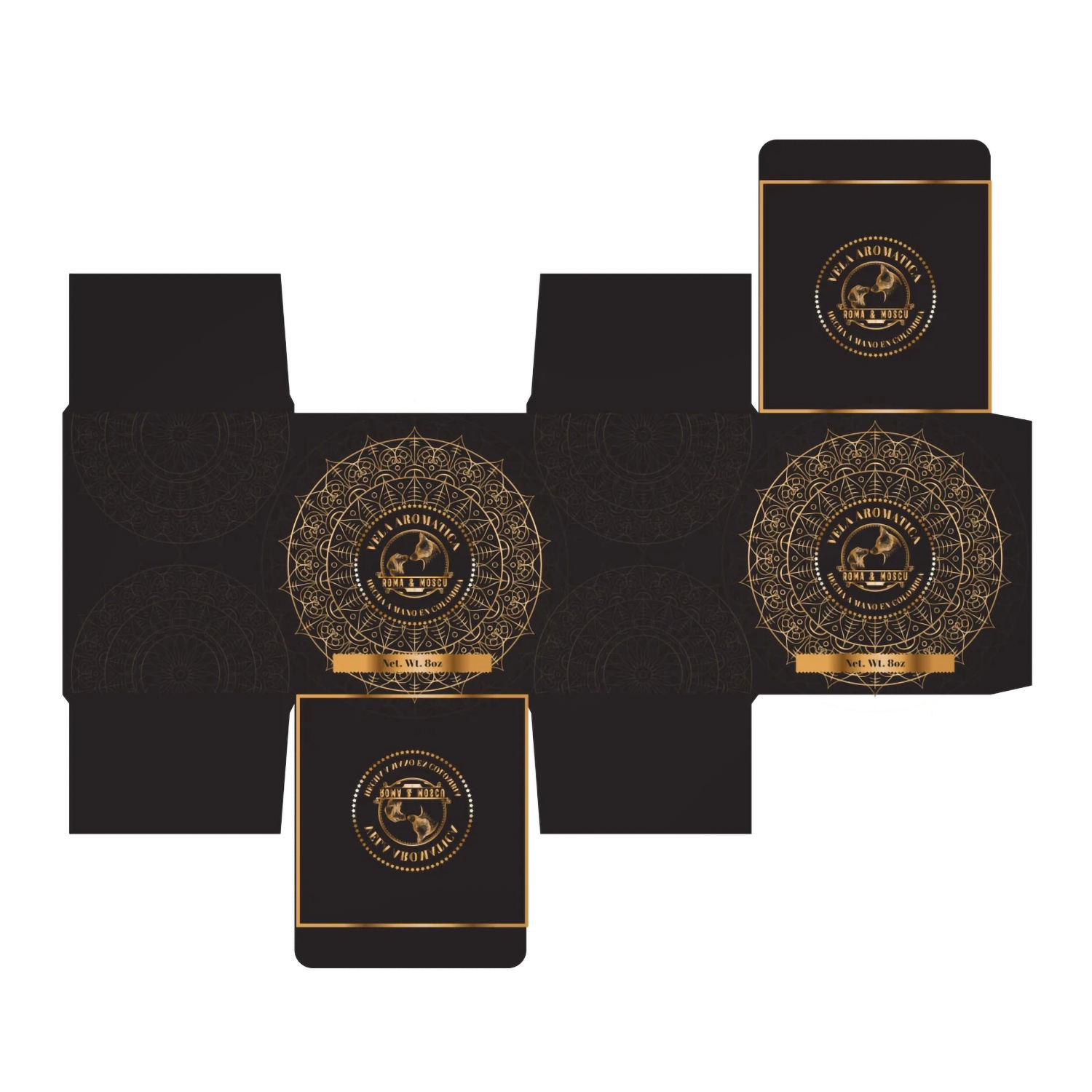
Gift boxes are typically designed to protect and decorate the gift. However, as the custom gift industry has developed in China, consumers are no longer simply attracted to luxurious packaging. Unique and creative custom gift boxes have become more popular in the market. Based on different needs and the specific characteristics of the gift, selecting the right gift box is important—not only to suit the gift itself but also to match the occasion and meet the preferences of both the giver and recipient. Gift-giving is an art, and learning how to choose the right gift box is a key part of modern gift-giving culture.
While gift box packaging differs from standard product packaging, it should still follow the principle of “custom-fit” design. This means creating packaging that is tailored to the product’s quality, structure, and aesthetic, ensuring it is attractive, functional, and economical. The phrase “custom-fit” involves two aspects:
- Understanding the product: Knowing the product’s characteristics, market level, target consumers, and sales region.
- Designing the packaging: Deciding on the layout, materials, and structure for the gift box.
Gift box packaging should follow the principles of science, beauty, practicality, economy, and promotion while also considering its environmental impact. These factors are used to evaluate the quality of the design and the designer’s skill. Only by mastering these principles can a designer create thoughtful, well-planned gift packaging that truly fits the product.
The quality of the gift box packaging should match the value of the product itself. Specifically, the packaging cost should generally range from 10% to 30% of the total product price, excluding luxury, specialty, or unique gift boxes. From an economic perspective, achieving maximum promotional effect with the lowest possible packaging cost (including materials, printing, and production) is key to successful packaging. Overspending on packaging can make the product seem over-packaged, which might alienate consumers. If brands focus only on creating an excessively luxurious look by using high-end materials, complex processes, and intricate decorations, they risk creating packaging that feels superficial and excessive rather than enhancing the gift’s appeal.
Ultimately, good gift box packaging should strike the right balance between cost, aesthetics, and functionality, ensuring the packaging adds value without being overwhelming.
Related Packaging Resources
Explore related Reding Packaging product options for custom materials, printing, finishing, samples and export production.
For a project-specific recommendation, send size, material, artwork, finish and quantity details through the Reding Packaging quote form.
 PL
PL  EN
EN  ES
ES  RU
RU  PT
PT  AR
AR  DE
DE  FR
FR  IT
IT  JA
JA  KO
KO  NL
NL  UK
UK  RO
RO  SV
SV  SL
SL  BG
BG