

Brand composition can be divided into three parts: brand culture, material aspects, and behavioral culture. These three components form the core systems of a brand: the brand culture system, the material system, and the behavioral culture system. Together, they create a complete brand structure, and their organic combination results in a fully integrated brand system.
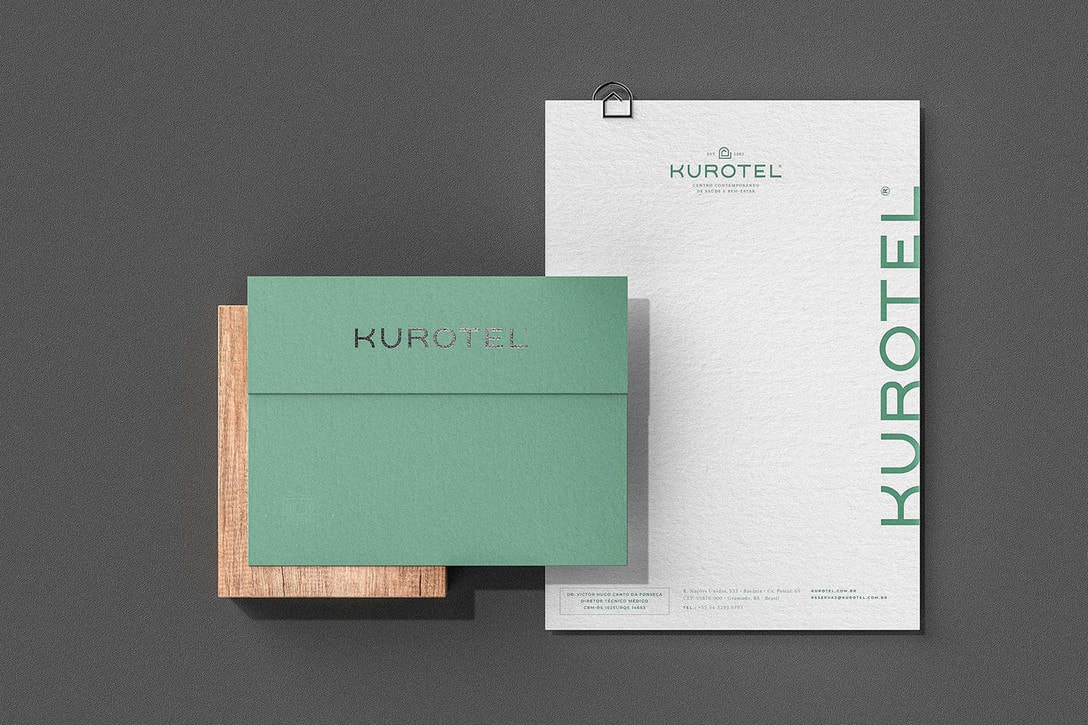
For packaging brands, visual identity should continue across custom labels, cigar bands, wine labels, stickers, paper bags, tags and boxes. Consistent materials, colors, logo use and finishing choices make the brand easier to recognize in retail and online search results.

The brand culture system is the soul of the brand. It determines how the brand exists, its values, and the way these cultural elements are combined. The brand culture system is a collection of values, ideas, and traits that define the brand’s essence. This collection forms the brand’s spiritual structure, which plays a critical role in shaping the brand’s identity. The system can be divided into several subsystems:
1. Visual System
This involves creating visual symbols and related artistic designs for the brand using two-dimensional and three-dimensional tools. It encompasses everything that visually represents the brand, from logos to the overall aesthetic.
2. Language System
Language is the outward expression of thought, serving as a direct reflection of the brand’s spirit. The brand’s language system conveys the brand’s essence and is segmented into different areas based on what it communicates, such as branding concepts, advertising, management language, and marketing communication. This system helps shape the brand’s language identity and creates a unique linguistic environment for the brand.
3. Knowledge System
Each brand has a specific knowledge system that forms its brand knowledge structure, which includes both proprietary intellectual property (IP) and shared knowledge. Proprietary knowledge refers to the specific knowledge, technology, and skills that the brand has developed and owns. Non-proprietary knowledge involves external knowledge resources that the brand doesn’t exclusively own but can still leverage.
The level of integration and use of these knowledge systems determines how well the brand can innovate, create, and apply knowledge. This reflects the brand’s overall technological and intellectual capabilities.
4. Intelligence System
Intelligence refers to the combination of intellect and capability, showcasing dynamism and flexibility. It plays a decisive role in problem-solving, decision-making, resource utilization, and wealth creation for the brand. This system can be broken down into two categories:
- Human Intelligence: The cognitive and creative abilities of the people involved in the brand’s development.
- Artificial or Mechanical Intelligence: This refers to the physical tools, equipment, and machines that aid in the brand’s operations.
The harmonious combination of human intelligence and artificial systems ensures the brand’s ability to grow and succeed. Human intelligence is especially crucial, as it drives the brand’s direction and decision-making processes.
In today’s world of vast information, decision-making ability is just as important, if not more, than the effort or resources invested. Choosing the right direction and understanding the factors at play is critical to the brand’s success.
James Quinn, Jordan Balogh, and Karen Zesith highlight in their book, The New Explosion, that intelligence is the ability to create knowledge and to use wisdom effectively. They outline intelligence as consisting of:
- Recognitional Knowledge (Know What): Scientific facts and principles.
- High-Level Skills (Know How): The ability to compete effectively and accomplish tasks.
- System Understanding (Know Why): An understanding of how key variables interact with one another.
- Purposeful Innovation (Care Why): The ability to combine different disciplines to create new effects.
- Intuition and Integration (Perceive How and Why): The ability to understand or foresee relationships that aren’t directly measurable.
5. Information System
Information reflects the movement patterns, state of existence, and relational influence of things. In branding, the information system is divided into:
- Internal Information: Short-term, medium-term, long-term, and ultimate goals of the brand, along with how they will be achieved. This is represented by internal information departments.
- External Information: Data and insights that influence the brand’s growth and decision-making processes. External information is divided into social, market, and cultural data that help guide the brand’s direction and ensure informed decision-making.
In practice, the visual, language, and intelligence systems are rooted in material elements, as they often use tangible forms such as visual designs or artificial intelligence. However, they ultimately reflect the brand’s brand culture because their primary function is to convey the brand’s values, mission, and overall identity.
By unifying these elements, the brand culture system becomes the foundation of the brand, shaping how it is perceived, experienced, and sustained in the market.
Related Packaging Resources
Explore related Reding Packaging product options for custom materials, printing, finishing, samples and export production.
For a project-specific recommendation, send size, material, artwork, finish and quantity details through the Reding Packaging quote form.
 ES
ES  EN
EN  RU
RU  PT
PT  AR
AR  DE
DE  FR
FR  IT
IT  JA
JA  KO
KO  NL
NL  PL
PL  UK
UK  RO
RO  SV
SV  SL
SL  BG
BG