
Custom Packaging Boxes: A Buyer’s Guide to Structure, Material, and Printing Effects
Custom packaging boxes are not only about outer appearance. Buyers also need to think about structure, board strength, printing method, finish, packing method, and how the box will perform during filling, shipping, and retail display. A box that looks premium in a mockup can still fail if the construction is wrong for the product.
This guide explains how to compare custom packaging box options more practically so you can choose a structure and finish that supports both product protection and brand presentation.
1. Start With the Box Job, Not the Decoration
Before comparing paper, foil, or embossing, buyers should define what the box needs to do. A mailer for e-commerce, a rigid gift box, a folding carton for cosmetics, and a corrugated shipper do not serve the same purpose.
Useful starting questions include:
- Is the box mainly for retail display, gifting, shipping, or product protection?
- Does the product need inserts, sleeves, partitions, or cushioning?
- Will the box be opened once, reused, or kept as part of the brand experience?
- Does the buyer need a flat-shipping folding structure or a pre-assembled premium box?
Once the use case is clear, the structure becomes much easier to choose.
2. Common Box Structures Buyers Compare
Folding cartons
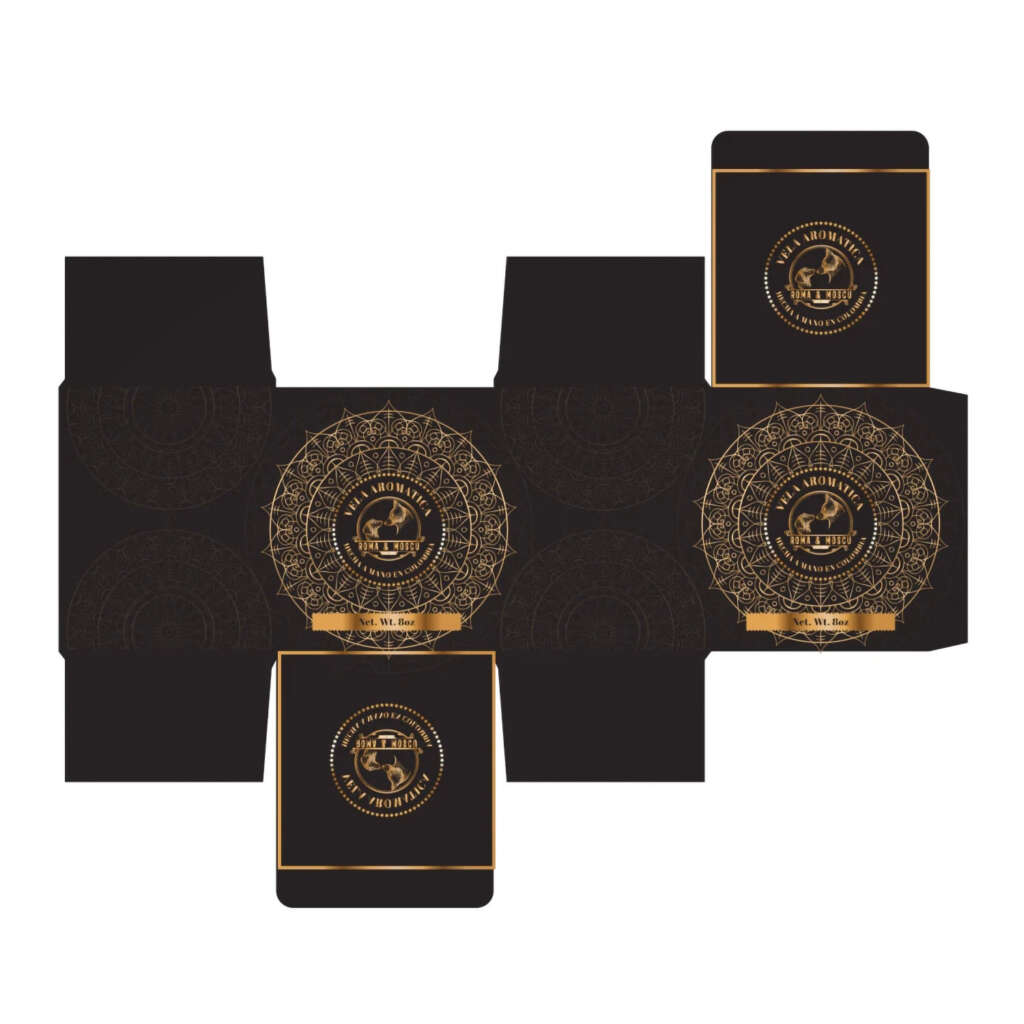
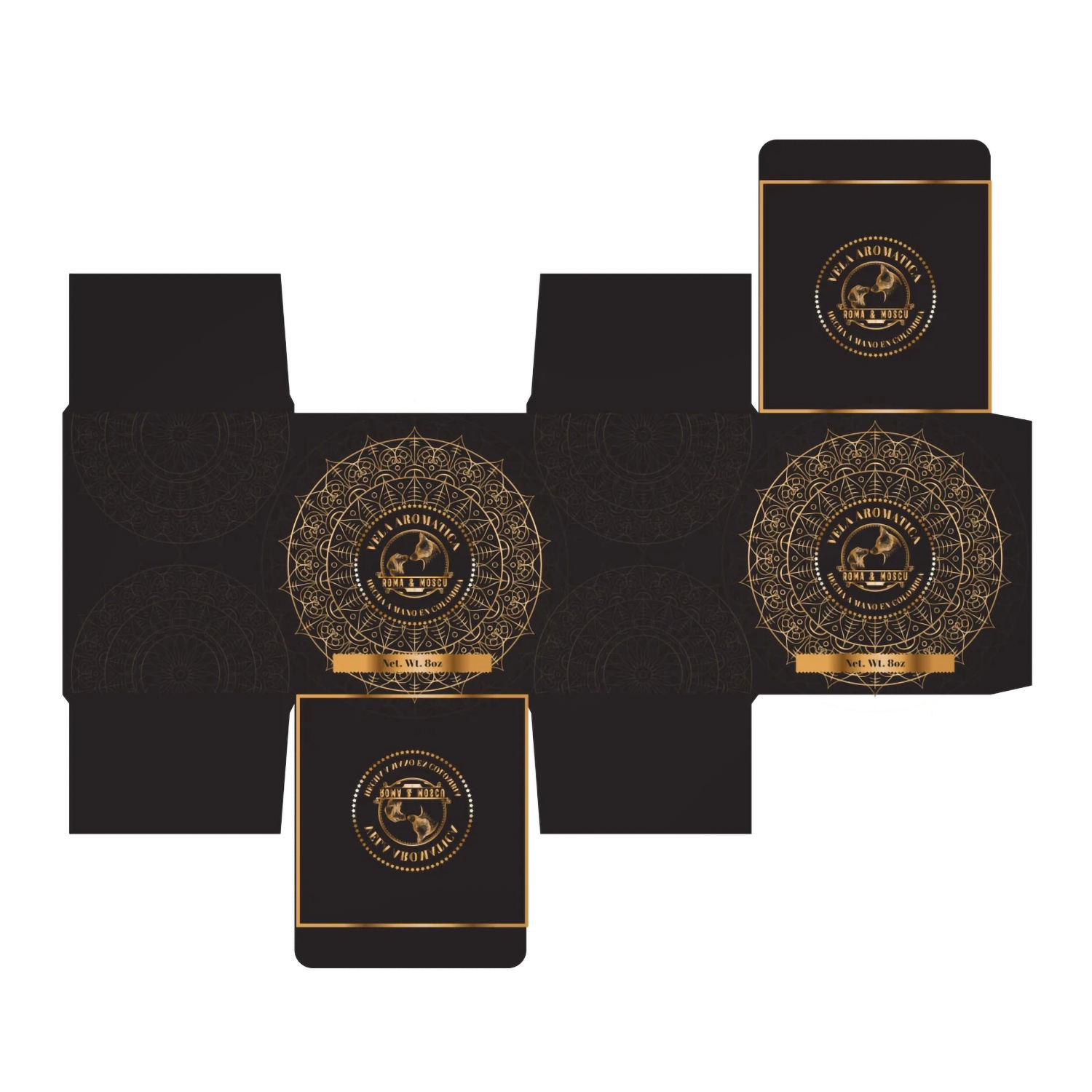
Folding cartons are widely used for cosmetics, food, supplements, candles, and many retail products. They are efficient for volume production and can support strong print quality with relatively controlled cost.
Rigid boxes
Rigid boxes are more suitable when the packaging itself should feel premium. They are common for jewelry, gift products, luxury accessories, and presentation sets.
Corrugated boxes
Corrugated constructions are practical when product protection matters more, especially for shipping, e-commerce, or heavier products.
Drawer boxes, magnetic boxes, sleeves, and custom structures
These options help create a more distinctive opening experience, but they also require earlier planning for inserts, gluing, die cutting, and assembly method.

3. Material Choice Affects Both Feel and Performance
Material selection is one of the biggest factors in how a custom packaging box feels in hand and performs in production. Buyers usually compare paperboard, kraft paper, corrugated board, greyboard, and wrapped rigid constructions.
Key points to review:
- Board thickness and stiffness
- Whether the product is light, fragile, or heavy
- Whether the surface should feel smooth, textured, coated, or natural
- Whether the box needs export-ready packing or stronger stacking performance
For premium retail presentation, the best result often comes from balancing tactile quality with practical strength rather than choosing the thickest board blindly.
4. Printing and Finishing Effects Should Match the Structure
Printing effects can upgrade a box quickly, but only when they fit the substrate and layout. Good packaging does not need every finish at once.
Foil stamping
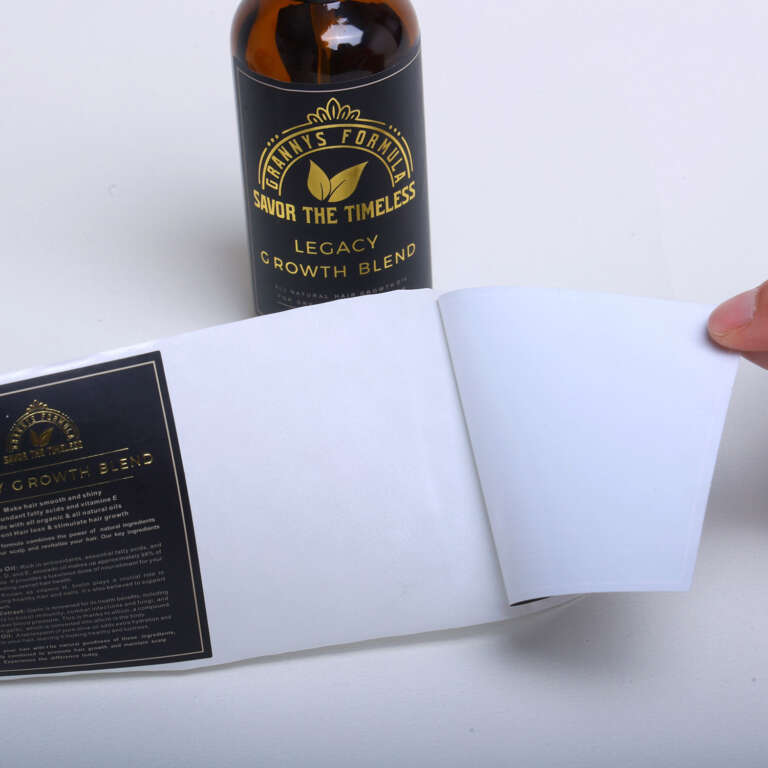
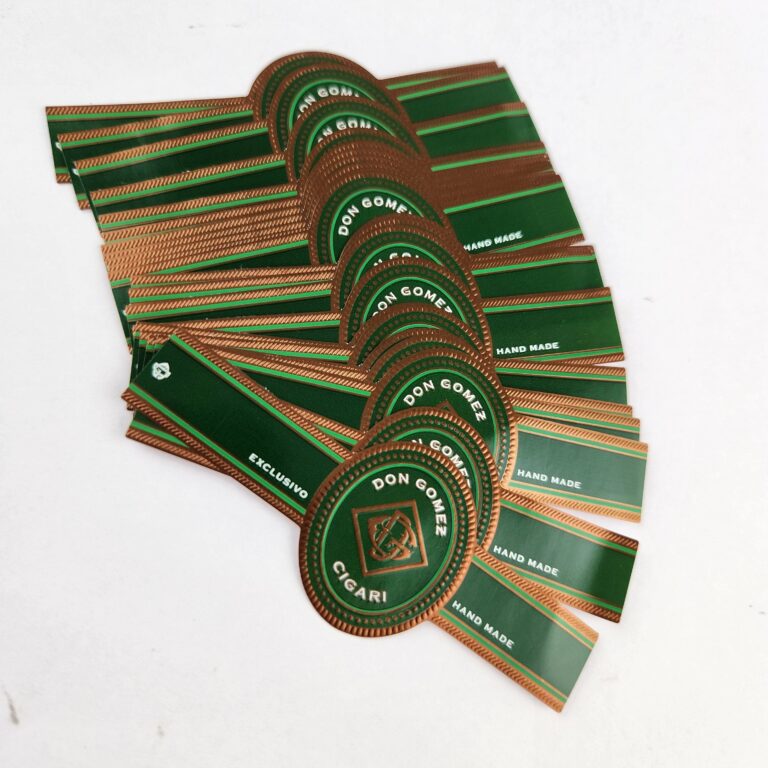
Foil works well for logos, borders, short brand names, and premium decorative areas.
Embossing or debossing
These effects add tactile depth and are often useful on rigid boxes, gift boxes, and brand marks that need a stronger premium feel.
Spot UV
Spot UV adds gloss contrast and is often better for smoother surfaces and more modern layouts.
Matte or gloss lamination
Lamination can improve scuff resistance and shift the visual style. Matte usually feels calmer and more premium, while gloss can make color look stronger.
The strongest packaging usually chooses one leading effect and one supporting effect instead of stacking too many finishes on a small panel.

5. Inserts, Assembly, and Packing Matter More Than Many Buyers Expect
A good-looking box can still become impractical if the insert is weak, the product moves during transport, or the assembly process is inefficient. Buyers should confirm early whether they need EVA, paperboard, foam, blister, or folded inserts and whether the box will be hand assembled or machine assisted.
This is especially important for gift sets, bottles, fragile items, and multi-piece retail packs.
6. MOQ, Sampling, and Price Planning
For custom packaging boxes, Reding Packaging’s standard MOQ is 1,000 pieces. Sampling is available before bulk production, and larger quantities usually provide better pricing efficiency.
Sampling is useful when buyers need to confirm structure strength, insert fit, board feel, foil effect, or opening experience before committing to a full run.
7. Free Design Support and Artwork Preparation
Reding Packaging provides free design support for production-focused work, including print-ready file checking, simple layout adjustment, vector redraw from non-vector files, and marking foil, embossing, or spot UV areas before approval.
This is especially useful when the buyer has a logo, sample photo, rough dieline idea, or an old box reference but not a fully prepared production file yet.
8. What Buyers Should Send Before Asking for a Quote
To get a faster and more accurate quotation, send:
- Box size or product dimensions
- Estimated quantity
- Product weight and packing method
- Preferred structure or reference box photo
- Material and finish requirements
- Insert requirement if needed
- Artwork file or logo source
- Shipping destination
FAQs About Custom Packaging Boxes
What is the MOQ for custom packaging boxes?
The standard MOQ is 1,000 pieces. Sampling is available, and larger quantities usually offer better pricing.
Can I order a sample before mass production?
Yes. Sampling is available to confirm structure, size, material, insert fit, and finish before bulk production.
Which box structure is best for premium products?
Rigid boxes are often preferred for premium presentation, but folding cartons and specialty structures may be better depending on the product, budget, and shipping method.
Can Reding Packaging help prepare the box artwork?
Yes. Free design support includes file checking, simple layout adjustment, vector redraw, and finish area marking before approval.
Conclusion
The best custom packaging box is not simply the one with the most decoration. It is the one that matches the product, protects it properly, supports production efficiency, and presents the brand clearly. Structure, material, insert design, and finish selection all need to work together.
Need a quote? Send your box size, quantity, product details, artwork, and finish requirements. MOQ starts at 1,000 pieces, sampling is available, larger quantities usually get better pricing, and Reding Packaging can help prepare a practical print-ready solution.
 EN
EN  ES
ES  RU
RU  PT
PT  AR
AR  DE
DE  FR
FR  IT
IT  JA
JA  KO
KO  NL
NL  PL
PL  UK
UK  RO
RO  SV
SV  SL
SL  BG
BG